
Polypropylene (PP) is widely used in automotive components, consumer electronics, packaging, medical products, and precision manufacturing because of its low density, chemical resistance, mechanical properties, and good processability.
However, PP is a non-polar polymer with relatively low surface energy and poor wettability. This can make adhesive bonding, painting, coating, printing, and lamination difficult.
Plasma treatment can activate the PP surface by cleaning certain contaminants, modifying surface chemistry, increasing surface wettability, and introducing polar functional groups. These changes can create a more suitable interface for subsequent bonding, coating, printing, and other surface processes.
The actual result depends on the PP grade, surface condition, plasma system, working gas, power, treatment distance, processing speed, and the time between plasma treatment and the next manufacturing step.
Why Is Polypropylene Difficult to Bond, Coat, or Print?
The main challenge is the surface chemistry of polypropylene.
PP is a non-polar polyolefin with relatively low surface energy. As a result, some adhesives, inks, paints, and coatings may not spread sufficiently across an untreated PP surface.
Poor wetting can reduce the effective contact between the material and the adhesive or coating, resulting in inconsistent adhesion or coating quality.
This can become a problem when PP components need to be:
·Bonded to another plastic or metal component
·Painted or coated
·Printed with logos, markings, or graphics
·Laminated with another material
·Sealed or joined with an adhesive
For these applications, surface activation before the next manufacturing process can be an important part of process preparation.
How Does Plasma Treatment Activate PP Surfaces?
Plasma treatment primarily modifies the near-surface region of polypropylene rather than the bulk material.
The exact mechanism depends on the plasma technology and process conditions, but PP surface activation generally involves several effects.
Plasma Helps Clean the PP Surface
PP components can carry dust, processing residues, low-molecular-weight substances, or other contaminants introduced during manufacturing, handling, or storage.
Reactive plasma species can interact with certain contaminants and modify or remove them from the outermost surface.
A cleaner surface can provide a more consistent interface for subsequent bonding, coating, or printing.
However, plasma treatment should not automatically be considered a replacement for every conventional cleaning method. The appropriate pretreatment depends on the type and level of contamination.
Plasma Modifies Surface Chemistry
One of the important effects of plasma treatment is chemical modification of the PP surface.
Depending on the plasma process and working gas, plasma treatment can introduce oxygen-containing polar functional groups onto the polypropylene surface.
These changes can increase the polar component of surface free energy and make the PP surface more receptive to suitable adhesives, coatings, paints, and inks.
This chemical activation is one of the important reasons plasma treatment can improve the adhesion performance of polypropylene.
Plasma Improves Wettability and Surface Energy
Wettability is a key consideration when preparing PP for bonding, coating, or printing.
An untreated PP surface generally has relatively poor wettability. After appropriate plasma treatment, the surface can become more wettable, allowing a liquid adhesive, coating, or ink to spread more effectively.
A common way to evaluate this change is through water contact angle measurement.
A lower water contact angle generally indicates improved surface wettability.
Surface free energy can also be evaluated to characterize the treated surface.
However, increased surface energy should not be interpreted as a guarantee of higher adhesive strength. Final adhesion performance still depends on the PP material, adhesive or coating system, plasma process, and subsequent manufacturing conditions.
What Can PP Plasma Treatment Improve?
When properly developed for the specific PP material and application, plasma treatment can support several downstream manufacturing processes.
Adhesive Bonding
Plasma treatment can improve PP wettability and modify the surface chemistry, helping a suitable adhesive establish a more effective interface with the substrate.
The actual improvement in bond strength should be confirmed through application-specific adhesive testing.
Painting and Coating
Plasma activation can improve the wetting of certain paints and coatings on PP.
This can help reduce problems associated with poor surface wetting and improve coating consistency when the plasma process is correctly matched to the coating system.
Printing
For PP products requiring logos, markings, or decorative printing, surface activation can improve ink wetting and support better ink adhesion.
Lamination
Plasma treatment can be used as a pretreatment before laminating PP with another material, depending on the adhesive, film, substrate, and production process.
Sealing and Other Surface Processes
For some PP components, surface activation can improve the consistency of subsequent adhesive or coating processes.
The required treatment level should always be determined through testing of the actual PP component and downstream material system.
How Is PP Plasma Treatment Verified?
Plasma activation should be evaluated using measurable surface and application performance indicators.
Water Contact Angle
Water contact angle is a commonly used method for evaluating changes in PP surface wettability.
A decrease in contact angle after treatment generally indicates that the surface has become more wettable.
Surface Free Energy
Surface free energy measurements can provide additional information about changes in the treated PP surface.
Adhesion Testing
For bonding applications, the most important question is not simply whether the contact angle has changed, but whether the treated surface provides the required bonding performance.
Adhesion or mechanical testing should therefore be included when developing a production process.
Coating and Printing Tests
For painting, coating, and printing applications, actual process tests are necessary because surface activation alone does not determine final coating or ink performance.
Surface Chemical Analysis
For research, process development, or failure analysis, techniques such as XPS or other surface-analysis methods can be used to investigate chemical changes on the treated surface.
How Should Plasma Parameters for PP Be Selected?
There is no single plasma setting that is suitable for every polypropylene application.
The treatment process should be developed according to the actual material, product geometry, treatment area, production cycle, and downstream process.
Important factors can include:
·PP grade and formulation
·Surface contamination
·Product geometry
·Plasma power
·Working gas
·Treatment distance
·Treatment speed
·Exposure time
·Nozzle or electrode configuration
·Treatment area
·Required surface wettability
·Required adhesion performance
·Time between plasma treatment and the next process
Increasing plasma power or treatment time does not automatically produce a better production result.
Excessive or poorly controlled treatment can produce an unsuitable surface condition, while insufficient treatment may not provide the required activation.
For this reason, the final parameters should be established through application testing rather than copied from a fixed setting.
How Long After Plasma Treatment Should PP Be Bonded or Coated?
This is an important consideration in production.
Plasma-induced surface activation can change over time. In some polymer systems, the treated surface can gradually recover part of its original hydrophobic character, a phenomenon commonly referred to as hydrophobic recovery.
The rate and extent of this change depend on the material, plasma process, storage conditions, and other factors.
Therefore, manufacturers should not assume that a plasma-treated PP component will maintain exactly the same surface condition indefinitely.
For production applications, it is important to validate the acceptable time between:
Plasma Treatment → Storage or Transfer → Adhesive Bonding / Coating / Printing
Where possible, the plasma process should be integrated close to the downstream process to improve process consistency.
Atmospheric Plasma or Vacuum Plasma for PP?
The choice between atmospheric plasma and vacuum plasma depends on the product geometry, treatment area, production volume, and required process configuration.
Atmospheric plasma can be suitable for:
·Inline production
·Continuous processing
·Localized surface treatment
·Large or irregular components
·Integration with automated production lines
·Treatment directly in an open production environment
It is often considered when PP components need to be treated as part of an automated or continuous manufacturing process.
Vacuum plasma systems can be suitable for:
·Batch processing
·Enclosed treatment environments
·Controlled chamber processing
·Applications requiring treatment of multiple components within a chamber
·Processes where vacuum-based plasma conditions are appropriate
Vacuum plasma can provide a controlled treatment environment, but the final system selection depends on the product and production requirements.
Which Plasma System Should Be Used for PP?
There is no universal answer based only on the material name “PP.”
The equipment should be selected according to:
PP Material → Product Geometry → Treatment Area → Production Cycle → Downstream Process → Required Surface Performance
Application testing should be performed before defining the final equipment configuration and production parameters.
Recommended PP Plasma Treatment Process
A practical PP surface activation process can be developed through the following sequence:
PP Component Preparation
Identify the PP grade, surface condition, geometry, and production requirements.
Surface Inspection
Check for dust, processing residues, release agents, oil, or other contaminants that may affect treatment.
Apply atmospheric or vacuum plasma using parameters developed for the specific PP component.
Surface Verification
Evaluate the treated surface using contact angle, surface energy, or other appropriate testing methods.
Downstream Process
Proceed with adhesive bonding, coating, painting, printing, lamination, or another required process.
Application Testing
Evaluate the actual bonding, coating, printing, or other performance requirements.
Process Optimization
Adjust plasma power, treatment distance, processing speed, exposure time, treatment area, and other parameters until a stable and repeatable process is established.
This approach helps manufacturers develop a process based on actual production requirements rather than relying on a theoretical plasma setting.
For polypropylene surface activation, the plasma system should be matched to the material, product geometry, treatment area, production cycle, and downstream application.
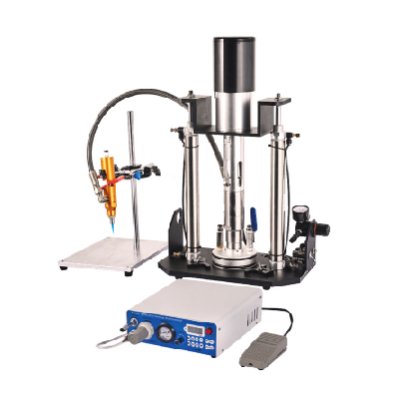
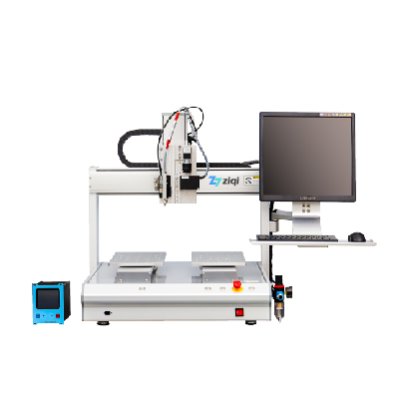
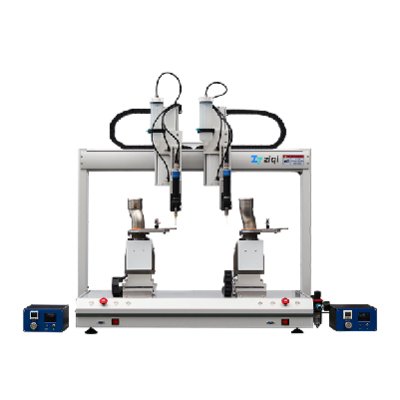
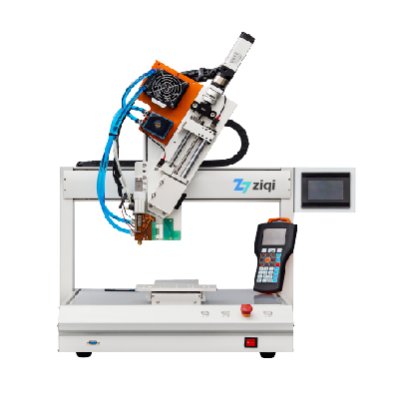
ZiQi provides industrial plasma surface treatment solutions for applications involving PP surface cleaning, activation, adhesive bonding, coating, painting, and printing.
Depending on the application, the plasma process can be evaluated according to:
·Plasma power
·Treatment distance
·Processing speed
·Treatment area
·Nozzle or electrode configuration
·Production-line integration
·Required surface performance
For automated manufacturing, plasma treatment can also be configured as part of an inline production process, allowing PP components to receive controlled surface treatment before bonding, coating, painting, or printing.
The objective is not simply to expose polypropylene to plasma. The goal is to develop a stable, repeatable, and application-specific surface treatment process that provides the required surface performance for the next manufacturing step.
FAQ
Can plasma treatment improve PP adhesion?
Yes. Appropriate plasma treatment can improve PP wettability and modify surface chemistry, which can support improved adhesion to suitable adhesives, coatings, and inks. The actual improvement depends on the PP material, plasma parameters, and downstream material system.
Why does polypropylene need plasma treatment?
PP has relatively low surface energy and poor wettability. Plasma treatment can modify the near-surface region and make polypropylene more receptive to subsequent bonding, coating, painting, or printing processes.
Does plasma treatment change the entire PP material?
No. Plasma treatment primarily modifies the near-surface region while leaving the bulk properties of the material largely unchanged under appropriate processing conditions.
Does plasma treatment permanently activate PP?
Not necessarily. Plasma-induced surface properties can change over time, and hydrophobic recovery may occur. The acceptable time between plasma treatment and the next process should therefore be established through application testing.
How can PP plasma treatment be verified?
Common methods include water contact angle measurement, surface free energy evaluation, adhesion testing, coating or printing tests, and surface chemical analysis.
Conclusion
Plasma treatment can be an effective surface activation method for polypropylene when the process is properly matched to the material and application.
Its main effects can include surface cleaning, chemical activation, introduction of polar functional groups, improved wettability, increased surface free energy, and controlled surface modification.
These changes can make PP more suitable for adhesive bonding, coating, painting, printing, lamination, and other surface processes.
However, PP plasma treatment is not a one-size-fits-all process. Plasma power, working gas, treatment distance, processing speed, exposure time, product geometry, and the time between treatment and the next process can all influence the final result.
For manufacturers, the most reliable approach is to test the actual PP component and downstream material system, verify the required surface and application performance, and then establish a stable plasma process.
The goal of PP plasma treatment is not simply higher surface energy—it is a repeatable surface condition that delivers reliable performance in the next manufacturing step.