
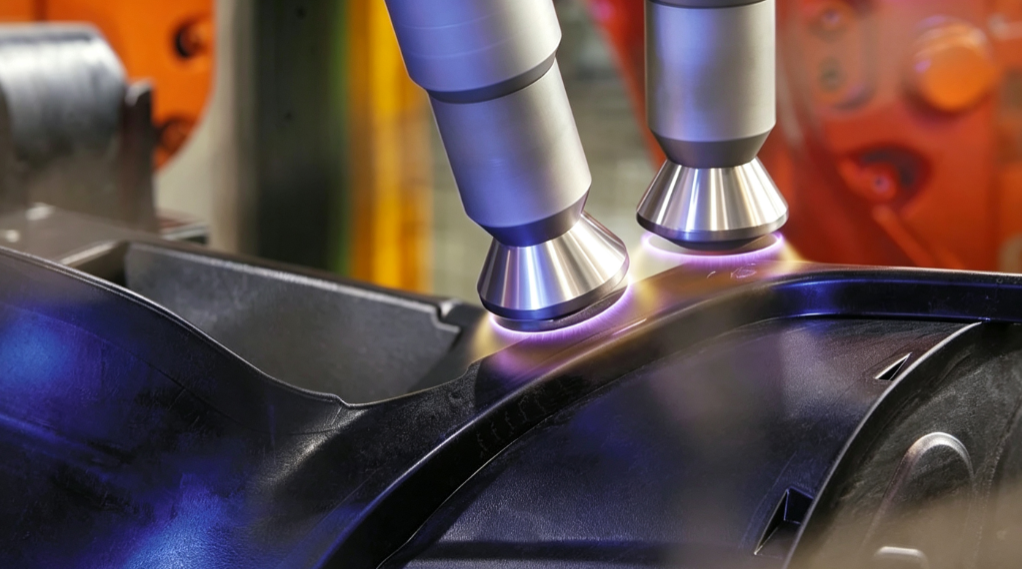
Automotive manufacturers increasingly use lightweight plastics and polymer composites such as PP, ABS, PVC, PC, and glass-fiber-reinforced plastics in interior, exterior, electrical, and functional components. However, many of these materials have relatively low surface energy, making them difficult to bond, paint, coat, print, or seal consistently.
Plasma surface treatment improves adhesion by cleaning contaminants, activating the polymer surface, increasing surface energy, and improving wettability. This allows adhesives, coatings, inks, and sealants to spread more uniformly and form a more reliable interface with the plastic substrate.
For automotive production, atmospheric plasma is particularly attractive because it can be integrated into automated and inline manufacturing processes.
Quick Answer: How Does Plasma Improve Plastic Adhesion?
Plasma treatment improves adhesion on automotive plastics through three main effects:
Surface cleaning → Surface activation → Improved wettability
Plasma helps remove organic contamination and modifies the outermost surface of the polymer. On low-surface-energy materials such as PP, activation can introduce more polar surface characteristics, increasing surface energy and allowing adhesives or coatings to wet the substrate more effectively.
The result is not simply a “stickier” plastic surface. Plasma changes the surface condition so the adhesive, coating, paint, or ink can establish more consistent contact with the substrate.
Why Is Adhesion Difficult on Automotive Plastic Parts?
Many automotive plastics provide excellent lightweight, chemical, and mechanical properties, but their surface characteristics can make secondary processing challenging.
Polypropylene (PP) is a typical example. Its non-polar surface and low surface energy can result in poor wettability and weak adhesion without suitable pretreatment. Industry plasma references specifically identify PP and other polyolefins as materials that benefit from plasma activation before bonding, painting, or printing.
Injection-molded plastic parts may also contain:
·Mold-release residues
·Organic contamination
·Additives or processing residues
These factors can further reduce coating or adhesive consistency.
As a result, untreated plastic surfaces may lead to:
·Poor adhesive bonding
·Coating delamination
·Uneven paint coverage
·Inconsistent printing
·Sealing problems
Plasma pretreatment addresses both surface cleanliness and surface activation, helping create a more consistent starting condition for the downstream process.
How Does Plasma Surface Treatment Work?
Plasma Cleaning
Plasma can interact with organic contaminants and surface residues, helping remove or decompose contamination on the component surface.
This is especially useful when molding or handling processes leave behind substances that interfere with coating or adhesive wetting. Plasma cleaning is used in automotive applications for pretreatment before processes such as bonding and painting.
Surface Activation
After cleaning, plasma can modify the surface chemistry of polymers.
For materials with relatively non-polar surfaces, plasma activation can create more reactive or polar surface groups. This increases the surface's ability to interact with subsequently applied materials.
Improved Wettability
A major benefit of plasma activation is improved wettability.
When an adhesive, coating, or ink wets the substrate more effectively, it can spread more uniformly over the treatment area. Better wetting provides a more consistent interface for the subsequent bonding or coating process.
The simplified process is:
Plastic surface → Plasma cleaning → Surface activation → Higher surface energy → Improved wettability → More consistent adhesion
Plasma Treatment for PP and Other Automotive Plastics
PP is one of the most common applications for plasma surface activation because its naturally low-polarity surface can be difficult to bond or coat.
Typical automotive applications include:
·Interior trim
·Instrument panels
·Door components
·Plastic housings
·Decorative parts
·Sealing components
·Bumper-related parts
Depending on the material formulation and application, plasma treatment can also be evaluated for ABS, PVC, PC, rubber, and polymer composites.
However, the optimum process cannot be determined from the material name alone. Additives, mold-release agents, contamination, surface condition, treatment speed, and downstream adhesive or coating chemistry can all affect the final result.
Where Can Plasma Be Used in Automotive Manufacturing?
Plasma treatment is not limited to adhesive bonding. It can be used as a pretreatment before several downstream processes.
Adhesive Bonding
Plasma → Adhesive dispensing → Assembly → Curing
Surface activation can improve the wetting of adhesive on difficult-to-bond plastic substrates.
Painting and Coating
Plasma → Primer/coating or paint → Curing
Plasma activation can improve the wettability and adhesion characteristics of plastic surfaces before painting or coating.
Printing
Plasma → Printing → Drying/Curing
Improved surface wettability can help inks spread more consistently on plastic components.
Sealing
Plasma → Sealant dispensing → Assembly
For plastic housings and other components where sealing performance is important, consistent surface preparation can help create more reliable sealant contact.
Why Combine Plasma Treatment with Precision Dispensing?
For automated adhesive applications, dispensing accuracy alone does not guarantee reliable bonding.
Even if an automatic dispensing machine controls adhesive volume and position precisely, poor substrate wettability can still affect adhesive spreading and the final interface.
A more complete automated process can therefore be designed as:
Plasma Surface Treatment → Precision Dispensing → Assembly → Curing
Plasma prepares the substrate, while the dispensing system controls the adhesive application.
This combination is especially relevant for automotive plastic components requiring localized surface activation and precise adhesive dispensing.
Atmospheric Plasma or Low-Temperature Plasma?
The right plasma technology depends on the component, treatment area, production volume, and process requirements.
Atmospheric Plasma
Atmospheric plasma is often suitable for:
·Inline production
·Conveyor systems
·Robotic processing
·Localized surface treatment
·Continuous production
·Automated dispensing lines
Because the treatment can be performed at atmospheric pressure, plasma heads can be integrated with motion systems and production equipment. Industry systems are commonly designed for inline processing and robotic treatment of two- or three-dimensional surfaces.
Low-Temperature / Low-Pressure Plasma
Low-temperature plasma systems can be considered when the process requires:
·Chamber-based treatment
·Batch processing
·Controlled treatment conditions
·Treatment of complex or sensitive components
Therefore, the best choice should be based on the actual material, geometry, treatment area, cycle time, and downstream process, rather than simply selecting the highest-power system.
How to Choose a Plasma Treatment Machine for Automotive Plastics
Before selecting a plasma system, manufacturers should evaluate five key factors:
Material
PP, ABS, PVC, PC, rubber, and composite materials can respond differently to plasma treatment.
Treatment Area
Determine whether you need localized treatment, a narrow bonding line, edge treatment, or large-area activation.
Part Geometry
Curved surfaces, grooves, recessed areas, and complex three-dimensional components may require appropriate positioning or multi-axis motion.
Production Requirements
For mass production, consider:
·Cycle time
·Treatment speed
·Repeatability
·Automation level
·Inline integration
Downstream Process
Define what happens immediately after plasma treatment:
Plasma → Dispensing → Assembly
Or
Plasma → Painting → Curing
Or
Plasma → Sealing → Assembly
The shorter and more controlled the interval between treatment and the next process, the easier it is to maintain consistent surface conditions.
How Is Plasma Treatment Validated?
A plasma process should be validated using the actual production material and component rather than relying only on generic material data.
Typical evaluation methods include:
·Contact-angle measurement
·Surface-energy testing
·Adhesion testing
·Peel or pull testing
·Cross-cut testing for coatings
·Visual evaluation of wetting and spreading
This is important because plasma performance can vary with polymer formulation, additives, contamination, treatment distance, treatment speed, and process parameters.
For PP and other plastics, treated surfaces can also change over time, so the required interval between plasma treatment and the downstream process should be established during process validation.
ZiQi Technology's Plasma Surface Treatment Solutions
Shenzhen ZiQi Technology Co., Ltd. provides customized plasma surface treatment and industrial automation solutions for manufacturers processing automotive plastics and other precision components.
ZiQi's plasma solutions can be configured for applications such as:
·Automotive plastic bonding
·Plastic surface activation
·Coating and painting pretreatment
·Printing pretreatment
·Sealing applications
·Inline plasma treatment
·Robotic and multi-axis processing
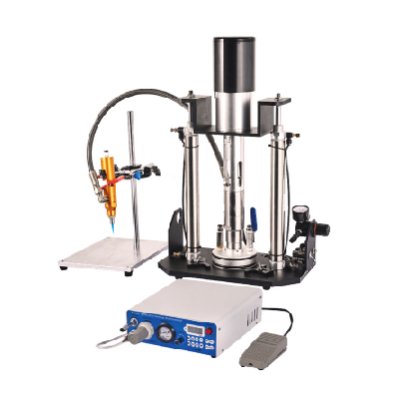
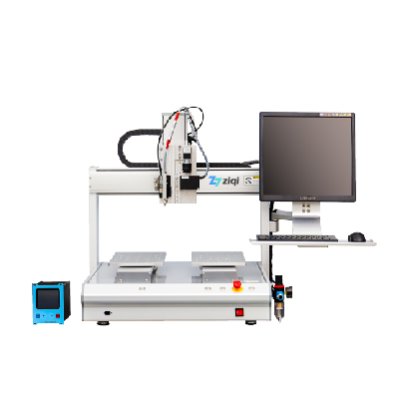
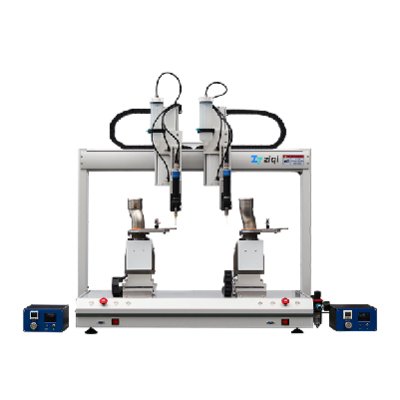
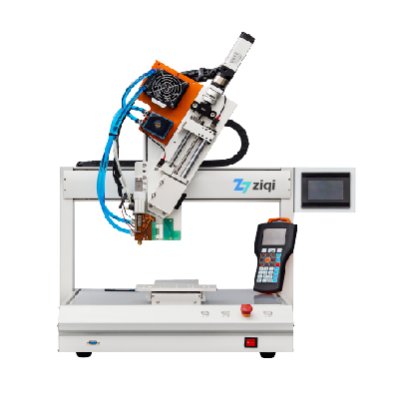
For automated manufacturing, plasma treatment can also be integrated with precision dispensing, soldering, screw fastening, and other automated assembly processes.
Instead of treating plasma as a standalone machine, ZiQi can help manufacturers develop a process around the actual material, component geometry, treatment area, production speed, and downstream application.
Frequently Asked Questions
Can plasma treatment improve PP adhesion?
Yes. Plasma can clean and activate PP surfaces, increasing surface energy and improving wettability. This can make PP more suitable for adhesive bonding, painting, coating, and printing.
Is atmospheric plasma suitable for automotive mass production?
Yes. Atmospheric plasma is well suited to automated production because it can be integrated with conveyors, robots, motion systems, and inline manufacturing equipment.
How do I know whether plasma treatment is working?
Contact-angle or surface-energy measurements can indicate changes in wettability, while actual adhesion or coating tests are needed to validate the final production process.
How should I choose a plasma treatment system?
Consider the material, treatment area, component geometry, cycle time, treatment speed, automation requirements, and downstream process. For complex automotive applications, testing actual samples before equipment selection is recommended.
Conclusion
Plasma treatment provides a practical pretreatment method for improving adhesion on automotive plastic parts. By cleaning contaminants, activating polymer surfaces, increasing surface energy, and improving wettability, plasma can help create more consistent conditions for bonding, coating, painting, printing, and sealing.
For materials such as PP, ABS, PVC, and other polymer components, the key is not simply choosing a plasma machine. The treatment process should be designed around the material, component geometry, production requirements, and downstream application.
For manufacturers looking to combine plasma surface treatment with automated dispensing and assembly, Shenzhen ZiQi Technology Co., Ltd. can provide customized plasma and industrial automation solutions based on specific production requirements.