
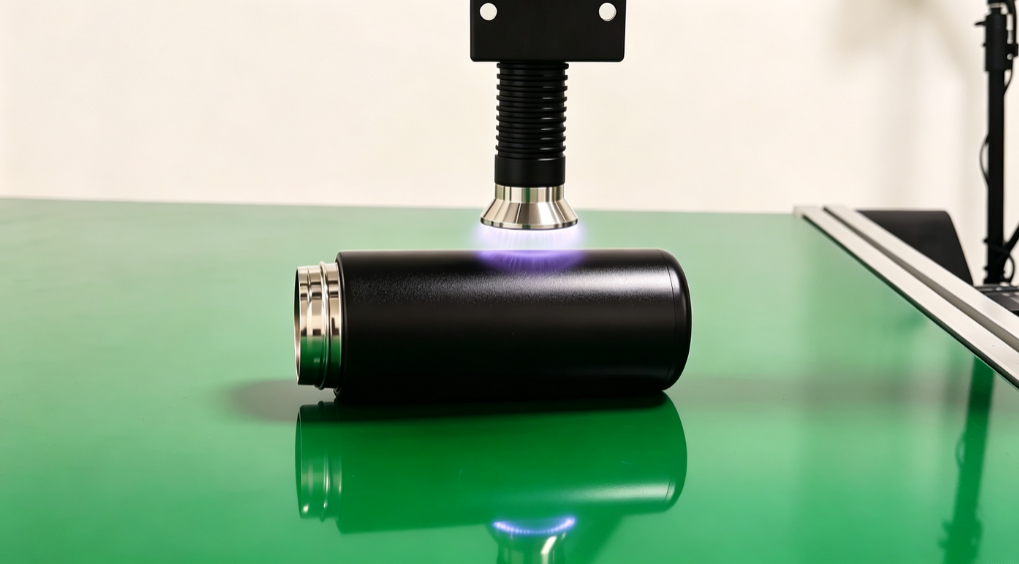
Why does paint or coating sometimes fail to adhere consistently to stainless steel water bottles?
One common reason is insufficient surface preparation. Stainless steel bottles may have oil residues, organic contaminants, polishing residues, or other contaminants from forming, polishing, handling, and cleaning. These factors can reduce surface wettability and make consistent coating adhesion more difficult.
Atmospheric plasma treatment provides a dry surface preparation process that can remove organic contamination, modify surface chemistry, increase surface energy, and improve wettability before painting or coating.
Why Is Coating Adhesion Difficult on Stainless Steel Bottles?
Although stainless steel may appear clean, its surface condition can vary significantly after forming, polishing, handling, and cleaning.
Residual oils and organic contamination can interfere with the interaction between the coating and the metal surface. At the same time, insufficient wettability can prevent the coating from spreading uniformly across the bottle surface.
As a result, manufacturers may experience inconsistent coating coverage, poor adhesion, or coating defects.
For this reason, surface preparation is an important part of the stainless steel bottle coating process.
How Does Plasma Treatment Improve Stainless Steel Coating?
Atmospheric plasma treatment can improve the surface condition of stainless steel through several mechanisms.
Removes Organic Surface Contamination
Plasma can help reduce organic contaminants and residues on stainless steel surfaces, providing a cleaner substrate before painting, spraying, or coating.
It can also be used as a final surface preparation step immediately before coating, helping reduce the risk of contamination being reintroduced between cleaning and coating.
Increases Surface Energy
Plasma treatment modifies the surface chemistry of stainless steel and can increase its surface free energy.
A higher surface energy generally provides more favorable conditions for interaction between the stainless steel surface and coating material.
Improves Surface Wettability
Wettability is an important factor in coating performance.
Plasma treatment can reduce the contact angle of the treated surface, allowing coating materials to spread more effectively. Improved wetting can help achieve more uniform coating coverage and provide better conditions for adhesion.
Creates Better Conditions for Coating Adhesion
A clean, activated, and more easily wetted surface allows the coating to interact more effectively with the stainless steel substrate.
However, plasma treatment does not guarantee the same adhesion improvement for every application. Results depend on the stainless steel grade, surface condition, coating chemistry, plasma parameters, and production process.
How Is Plasma Treatment Used Before Stainless Steel Bottle Coating?
For automated production, plasma treatment can be positioned directly before painting, spraying, printing, or other coating processes.
A typical process may be:
Bottle Forming → Cleaning → Plasma Treatment → Painting / Spraying → Curing → Inspection
For cylindrical or curved bottle surfaces, the plasma nozzle and motion system can be configured according to the product geometry and treatment area.
Important process parameters may include:
·Plasma power
·Treatment distance
·Processing speed
·Nozzle angle and position
·Gas conditions
·Treatment coverage
·Time between plasma treatment and coating
These parameters should be optimized through application testing rather than using one fixed setting for every stainless steel bottle.
How Can Plasma Treatment Effectiveness Be Verified?
Plasma treatment should be evaluated based on the actual coating process rather than only on whether the surface has been treated.
Depending on the application, manufacturers can evaluate:
·Contact angle: to assess changes in surface wettability
·Surface energy: to evaluate surface activation
·Coating adhesion testing: to verify the final coating performance
·Visual inspection: to identify coating coverage or surface defects
·Production testing: to confirm process consistency under actual production conditions
This approach helps manufacturers determine whether the selected plasma parameters provide the required surface condition for their coating system.
Atmospheric Plasma for Automated Stainless Steel Bottle Production
For high-volume production, atmospheric plasma treatment can be integrated into an automated or inline manufacturing process.
The system can be configured according to:
·Bottle diameter and shape
·Stainless steel grade
·Coating or paint material
·Treatment area
·Production takt time
·Required surface activation level
For curved surfaces, controlled nozzle movement and positioning can help provide more consistent treatment coverage.
The objective is not simply to add a plasma treatment step, but to establish a repeatable surface preparation process before coating.
ZiQi Atmospheric Plasma Treatment Solution
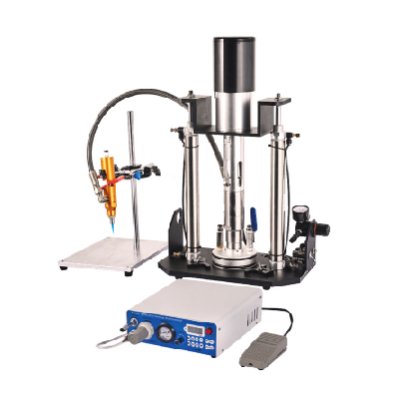
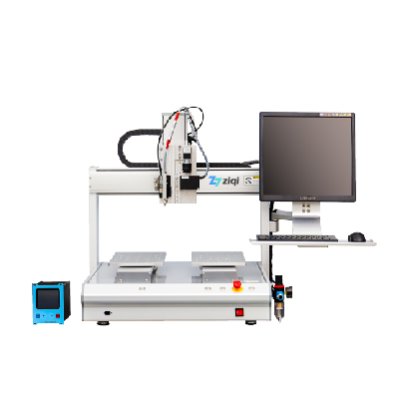
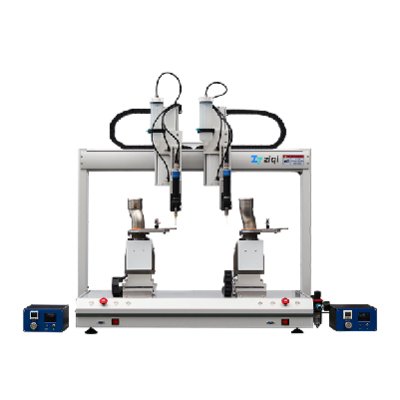
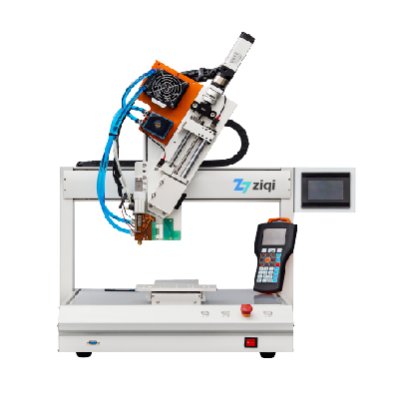
Shenzhen ZiQi Technology Co., Ltd. provides atmospheric plasma surface treatment equipment for automated manufacturing applications.
For stainless steel water bottle coating, ZiQi plasma systems can be configured for inline or automated surface treatment before painting, spraying, printing, or bonding.
The solution can be adapted according to bottle geometry, treatment area, coating material, production speed, and required surface activation level.
For manufacturers, the final plasma process should be validated together with the coating system to determine suitable treatment power, speed, distance, nozzle configuration, and other process parameters.
Frequently Asked Questions
Does plasma treatment improve stainless steel coating adhesion?
Yes. Plasma treatment can improve the surface condition of stainless steel by reducing organic contamination, modifying surface chemistry, increasing surface energy, and improving wettability. The actual adhesion improvement depends on the material and process conditions.
Can plasma clean stainless steel before painting?
Yes. Atmospheric plasma can be used as a dry cleaning and surface activation process before painting or spraying, particularly for reducing organic surface contamination.
Does plasma treatment replace conventional cleaning?
Not necessarily. Plasma is often used as a complementary or final surface-treatment step after conventional cleaning. The appropriate process depends on the type and amount of contamination.
Can atmospheric plasma treat curved stainless steel bottle surfaces?
Yes. Plasma treatment can be adapted to cylindrical and curved surfaces by controlling nozzle position, treatment distance, motion, and coverage. Application testing is recommended to determine the appropriate configuration.
Can plasma treatment be integrated into an automatic coating line?
Yes. Atmospheric plasma equipment can be integrated before painting, spraying, printing, or other coating processes to create a continuous surface-treatment and coating workflow.
Conclusion
For stainless steel water bottle coating, atmospheric plasma treatment can provide four important surface-preparation benefits: cleaning, surface activation, improved wettability, and better conditions for coating adhesion.
By integrating plasma treatment before painting or spraying, manufacturers can establish a more controlled and repeatable surface preparation process.
The most suitable plasma process should be determined through application testing based on the stainless steel grade, surface condition, coating system, bottle geometry, plasma parameters, and production speed.