
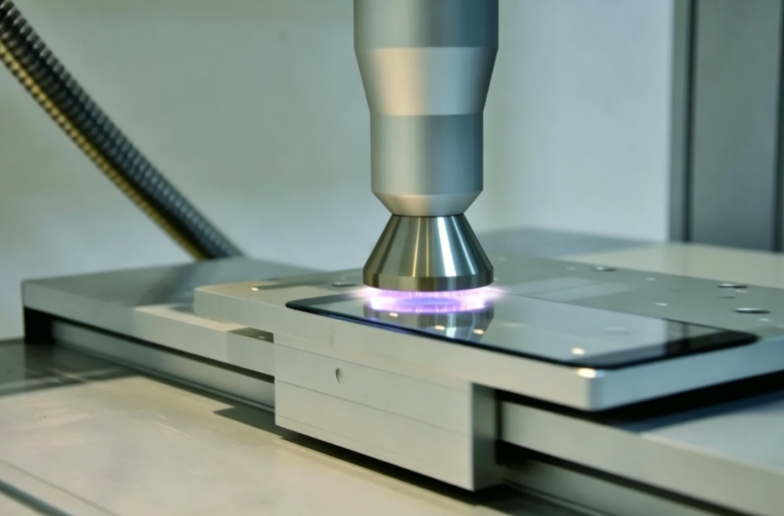
Smartphone housing manufacturers often face coating problems such as poor adhesion, uneven wetting, peeling, and inconsistent surface appearance. These issues can be related to low surface energy, molding residues, oil, dust, or other contaminants on the housing surface.
Atmospheric plasma surface treatment provides a dry pretreatment method that can clean certain contaminants, modify the surface chemistry, increase surface energy, and improve wettability before painting or coating. For suitable smartphone housing materials, this can create more stable conditions for subsequent finishing processes.
This makes plasma treatment particularly useful for automated smartphone housing production where coating quality, process consistency, and production efficiency are important.
Why Do Smartphone Housings Need Plasma Surface Treatment?
Smartphone housings can be manufactured from different materials, including plastics, metals, and glass. The surface characteristics of each material can affect how well paint, coatings, inks, or adhesives spread and adhere.
Plastic housings are especially relevant to plasma pretreatment because some plastics have relatively low surface energy. In addition, the manufacturing process can leave surface residues such as:
·Dust and fine particles
·Oil and handling residues
·Mold-release residues
·Organic contaminants
·Other processing impurities
If these factors are not properly controlled, the coating may not wet the surface uniformly. Manufacturers may then experience poor adhesion, peeling, uneven coating, or inconsistent cosmetic appearance.
Plasma treatment provides an additional surface preparation method that can be integrated into the production process without using a liquid cleaning or vacuum chamber.
How Does Plasma Treatment Improve Smartphone Housing Surfaces?
The value of plasma treatment is not limited to surface cleaning. For suitable substrates, atmospheric plasma can also modify the surface properties to improve interaction with the coating material.
Surface Cleaning
Plasma can help remove or reduce certain organic contaminants and residues from the treated surface.
A cleaner surface provides a more controlled interface between the smartphone housing and the subsequent coating.
However, plasma should not be considered a universal replacement for all cleaning processes. The effectiveness of contaminant removal depends on the type and amount of contamination, substrate material, plasma parameters, and treatment conditions.
Surface Activation
Atmospheric plasma can modify the surface chemistry of suitable materials and increase surface energy.
Higher surface energy can improve the wettability of the housing, allowing paint or coating materials to spread more uniformly across the treated area.
This is particularly important when coating defects are associated with poor wetting or insufficient surface activation.
More Stable Coating Conditions
When the surface is sufficiently clean and activated, the coating process can operate under more consistent surface conditions.
This can help manufacturers improve coating uniformity and create more stable conditions for adhesion.
The actual improvement, however, must be confirmed through application testing with the specific housing material and coating system.
Plasma Treatment Before Smartphone Housing Painting
One of the most practical applications is atmospheric plasma pretreatment immediately before painting or decorative coating.
A typical process can be arranged as:
Smartphone Housing → Plasma Cleaning & Activation → Painting/Coating → Curing → Inspection
During the plasma stage, the plasma head follows the required treatment area of the housing.
Depending on the material and process requirements, plasma pretreatment can help:
·Improve surface wettability
·Reduce the influence of certain surface contaminants
·Increase surface energy on suitable substrates
·Create more consistent coating conditions
·Support coating adhesion
·Reduce variation in the surface preparation process
For smartphone housings with demanding cosmetic requirements, controlling the surface condition before painting is an important part of overall process stability.
What Coating Problems Can Plasma Pretreatment Help Address?
Plasma pretreatment is often evaluated when manufacturers encounter recurring surface-related coating problems.
Uneven Coating
When the substrate has insufficient wettability or inconsistent surface conditions, coating materials may not spread evenly.
Plasma activation can improve wettability on suitable materials and provide a more uniform surface for subsequent coating.
Poor Coating Adhesion
Contamination and insufficient surface activation can weaken the interface between the substrate and coating.
Plasma pretreatment can improve surface cleanliness and activation, potentially creating better conditions for coating adhesion.
Coating Peeling
Peeling can occur when coating adhesion is insufficient during handling, assembly, or reliability testing.
Plasma treatment may improve the surface preparation stage, but the final result depends on the complete substrate–plasma–coating system.
Inconsistent Surface Appearance
Smartphone housings are highly visible components, so small coating variations can become cosmetic defects.
A controlled plasma process can help stabilize surface preparation before painting and reduce one potential source of process variation.
Plasma treatment is not a guarantee against coating defects. Its performance depends on the substrate, coating chemistry, contamination level, plasma power, treatment distance, treatment speed, treatment path, and other process parameters.
How to Choose a Plasma System for Smartphone Housings
There is no single plasma configuration that is suitable for every smartphone housing application.
When selecting a plasma surface treatment system, manufacturers should evaluate the following factors.
Housing Material
The plasma process should be developed according to the actual substrate, such as PC, ABS, PC/ABS, metal, glass, or another material.
Different materials can respond differently to plasma treatment, so application testing is important before determining the final process parameters.
Treatment Area
If only specific areas require painting or bonding, localized plasma treatment may be more efficient than treating the entire housing.
The plasma head and motion system should be designed to provide sufficient coverage over the required treatment area.
Housing Geometry
Smartphone housings may include curved surfaces, edges, grooves, recessed areas, or other three-dimensional features.
These geometries can affect plasma treatment distance and coverage. The equipment should therefore maintain a suitable and repeatable relationship between the plasma head and workpiece.
Production Speed
For high-volume production, plasma treatment must be compatible with the required cycle time and production takt time.
Treatment speed should be evaluated together with plasma power, treatment width, working distance, and the required surface activation level.
Downstream Coating Process
Plasma treatment should not be developed independently from the coating process.
The substrate, plasma parameters, coating chemistry, curing conditions, and required adhesion performance should be evaluated as one process chain.
How Do You Verify Plasma Treatment Effectiveness?
Before introducing plasma treatment into mass production, manufacturers should validate the process using the actual housing material and coating system.
Typical evaluation methods may include:
·Contact angle measurement
·Surface energy measurement
·Coating adhesion testing
·Cross-hatch testing
·Visual appearance inspection
·Environmental resistance testing
·Process repeatability testing
These measurements help determine whether the selected plasma parameters provide a meaningful improvement in surface preparation.
The objective is not simply to achieve a higher surface energy value, but to establish a stable process that produces the required coating performance in actual production.
Can Plasma Replace Primer on Smartphone Housings?
Sometimes, but not always.
Plasma treatment can reduce or eliminate the need for conventional primer in some applications, depending on the substrate, coating chemistry, required adhesion performance, and production conditions.
Manufacturers should therefore compare the actual processes rather than assume that plasma will automatically replace primer.
A conventional process may be:
Cleaning → Primer → Painting/Coating
A plasma-based process may be:
Cleaning or Plasma Pretreatment → Painting/Coating
The two processes can then be compared using measurable criteria such as:
·Surface energy
·Contact angle
·Coating adhesion
·Appearance
·Environmental resistance
·Cycle time
·Process stability
·Overall production cost
This makes plasma treatment a measurable manufacturing process rather than simply an alternative cleaning method.
Can Atmospheric Plasma Be Integrated into an Automated Production Line?
Yes. Atmospheric-pressure plasma is well suited to automated and inline manufacturing because it can operate without a vacuum chamber.
A typical automated smartphone housing process may include:
Loading → Positioning → Plasma Treatment → Painting/Coating → Curing → Visual Inspection → Unloading
Depending on the production line, the plasma head can be integrated with:
·Robot systems
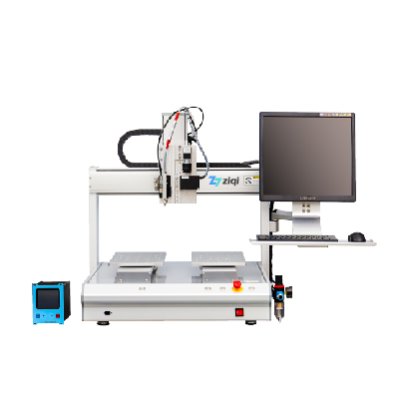
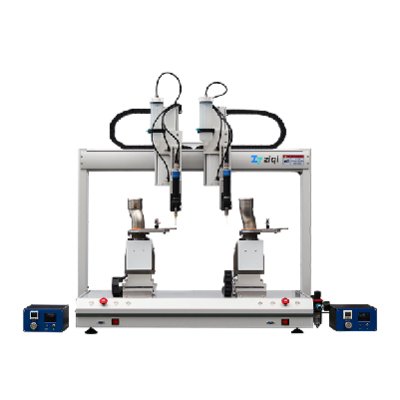
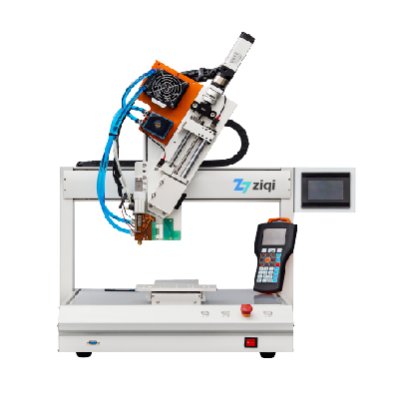
·XY motion platforms
·Rotary mechanisms
·Conveyors
·Automated positioning systems
·Vision-guided equipment
For complex smartphone housing geometries, the system should control treatment distance, movement speed, treatment path, plasma coverage, and workpiece orientation.
The goal is to make the plasma treatment process repeatable from one housing to the next while maintaining compatibility with the production takt time.
How Long After Plasma Treatment Should Coating Be Applied?
The effective surface activation period depends on the substrate, plasma process, storage environment, and downstream coating system.
For this reason, manufacturers should determine the allowable time between plasma treatment and painting or coating during process validation rather than relying on a universal time value.
In automated production, applying the coating soon after plasma treatment can help maintain better process control.
ZiQi Plasma Surface Treatment Solution for Smartphone Housings
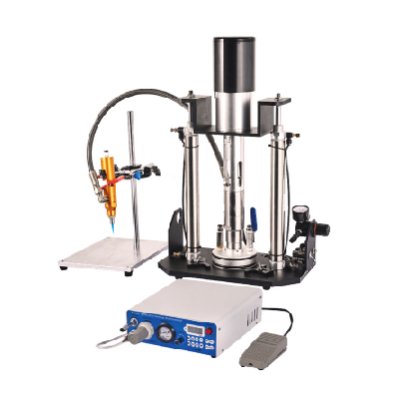
Shenzhen ZiQi Technology Co., Ltd. provides plasma surface treatment equipment for automated manufacturing applications.
For smartphone housing applications, ZiQi can develop plasma treatment solutions according to the:
·Housing material
·Treatment area
·Product geometry
·Required production speed
·Plasma treatment path
·Downstream painting or coating process
·Automation requirements
Depending on the application, the plasma system can be integrated with motion control systems, robots, conveyors, or customized production equipment.
The objective is not simply to add a plasma process to an existing production line. It is to develop a controlled and repeatable surface preparation process that works together with the customer's coating and manufacturing workflow.
For new applications, the recommended approach is to evaluate the actual housing material and coating system first, then determine the appropriate plasma configuration and process parameters through application testing.
Conclusion
Plasma surface treatment can provide an effective dry pretreatment option for smartphone housing painting and coating applications.
By cleaning certain surface contaminants and activating suitable substrates, atmospheric plasma can increase surface energy, improve wettability, and create more consistent conditions for subsequent coating and adhesion.
However, plasma performance depends on the complete process combination of substrate, plasma parameters, coating chemistry, treatment geometry, and production conditions. Process validation with the actual housing and coating system is therefore essential.
For manufacturers looking to improve surface preparation before smartphone housing painting or coating, atmospheric plasma treatment offers an automation-friendly approach that can be integrated into modern production lines.
FAQ
What is plasma surface treatment for smartphone housings?
Plasma surface treatment is a pretreatment process used to clean certain contaminants and activate suitable smartphone housing surfaces before painting, coating, printing, or bonding.
What does plasma do to a smartphone housing?
Plasma can remove or reduce certain contaminants and modify the surface chemistry of suitable materials. This can increase surface energy and improve wettability for subsequent coating or bonding.
Is plasma treatment suitable for plastic smartphone housings?
Yes. Atmospheric plasma is used for pretreating suitable plastic surfaces, particularly when low surface energy or inconsistent wetting affects coating or bonding performance.
Can plasma treatment improve coating adhesion?
It can improve the surface conditions required for adhesion by cleaning and activating suitable substrates. The actual adhesion improvement depends on the material, coating system, and plasma process parameters.
How do you verify plasma treatment effectiveness?
Contact angle, surface energy, coating adhesion, appearance, environmental resistance, and process repeatability can be used to evaluate plasma treatment performance.
Can atmospheric plasma be used in an automated production line?
Yes. Atmospheric plasma can be integrated with robots, conveyors, motion platforms, and other automation systems without requiring a vacuum chamber.