
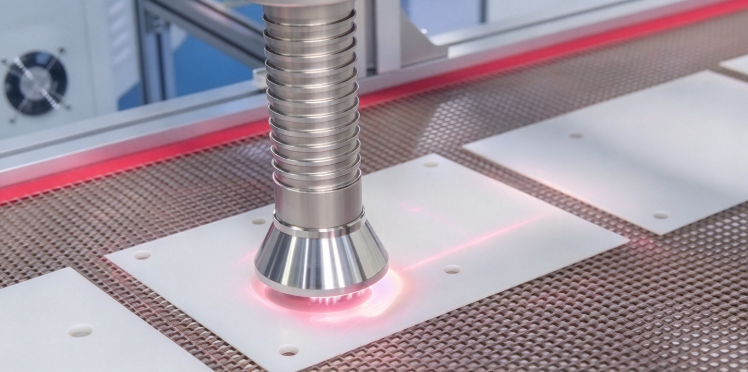
Ceramic coating and screen printing require suitable surface conditions to achieve consistent coverage and reliable adhesion. Depending on the ceramic composition, surface finish, and contamination level, inadequate wettability may contribute to uneven coating application, inconsistent ink coverage, or poor adhesion.
Atmospheric plasma treatment is a potential surface pretreatment solution for improving the wettability of suitable ceramic substrates before coating or screen printing. By modifying the surface condition, plasma treatment may help coatings and printing inks spread more effectively. However, the actual results depend on the ceramic material, coating or ink formulation, treatment parameters, and downstream processing conditions.
Shenzhen Ziqi Technology Co., Ltd. provides industrial plasma surface treatment equipment and customized automation solutions. For manufacturers evaluating plasma pretreatment for ceramic products, equipment selection should be based on the actual workpiece, production requirements, and validated process performance.
Why Is Surface Pretreatment Important for Ceramic Coating and Screen Printing?
Ceramic substrates are used in industrial components, decorative products, and consumer goods. Their surface properties vary according to material composition, manufacturing methods, surface finishing, and previous cleaning or treatment processes.
In ceramic coating applications, unsuitable surface conditions may interfere with coating wetting and interfacial adhesion. Potential defects include incomplete coverage, localized peeling, and coating delamination.
In ceramic screen printing, surface wettability can influence how printing ink spreads across the substrate. Incompatible surface conditions may contribute to uneven ink coverage, inconsistent patterns, or insufficient ink adhesion after curing.
These defects can increase inspection requirements, rework, and manufacturing costs. However, plasma treatmentis only one part of process control. Substrate quality, coating or ink compatibility, application parameters, and curing conditions must also be considered.
How Does Atmospheric Plasma Treatment Work on Ceramic Surfaces?
Atmospheric plasma treatment uses an electrically generated plasma to modify a material's surface under atmospheric-pressure conditions.
Depending on the plasma system and process parameters, treatment may help remove certain surface contaminants and modify surface chemical groups. These changes can increase surface energy and improve wettability, potentially allowing compatible coatings or inks to spread more effectively.
One way to evaluate changes in wettability is through water contact-angle measurement. A lower contact angle generally indicates improved wetting by water, although water wettability alone does not establish that a particular coating or ink will achieve adequate adhesion.
Research has demonstrated that atmospheric plasma treatment can improve the wettability of specific ceramic materials. For example, a 2014 study of two dental zirconia ceramics reported that plasma treatment reduced their water contact angles from 66° and 68° to 36° and 31°, respectively. The study also found that the duration of the wettability improvement varied between the materials.
These findings support the potential of plasma treatment for ceramic surface modification, but they do not establish the same results for every industrial ceramic, coating, or screen-printing process.
Manufacturers should therefore evaluate plasma treatment using their actual substrates and production materials.
How Can Plasma Treatment Support Ceramic Coating?
Ceramic coating processes may include primer application, spraying, and curing, depending on the coating system and product requirements. If the substrate does not provide suitable surface conditions, the coating may spread unevenly or fail to achieve the required adhesion.
Atmospheric plasma pretreatment can be evaluated as an additional surface preparation step before coating.
Potential benefits include:
·Improved surface wettability: May help compatible coating materials spread more uniformly over the treated area.
·Better adhesion conditions: May support interfacial bonding when the ceramic, plasma process, and coating formulation are compatible.
·More controlled pretreatment: Can provide a defined surface preparation step within a manufacturing process.
·Potential reduction in selected pretreatment steps: May reduce the need for certain chemical treatments when testing confirms that the required surface quality can still be achieved.
Plasma treatment does not automatically eliminate coating defects or replace proper coating formulation and curing. Its contribution should be assessed through appropriate adhesion tests, visual inspection, and application-specific durability evaluations.
How Can Plasma Treatment Support Ceramic Screen Printing?
Ceramic screen printing is used to apply decorative patterns, symbols, text, and other printed features to suitable ceramic products.
Consistent printing depends on several factors, including ink formulation, screen conditions, printing parameters, substrate properties, and post-print curing. Surface wettability is another factor that may affect ink spreading and the interaction between the ink and the substrate.
When insufficient wettability contributes to printing problems, atmospheric plasma treatment may help improve the interaction between a ceramic surface and a compatible printing ink.
Manufacturers can evaluate whether plasma pretreatment helps achieve:
·More uniform ink coverage.
·More consistent printed patterns.
·Improved ink adhesion after curing.
·Better resistance to wear or environmental exposure, where confirmed by testing.
These benefits should be treated as potential outcomes rather than guaranteed results. A reduction in water contact angle, for example, does not necessarily mean that the printing ink will achieve the required adhesion or durability.
A practical evaluation should compare untreated and plasma-treated samples using the same ink, printing parameters, and curing conditions.
Which Plasma Treatment System Is Suitable for Ceramic Manufacturing?
Selecting a plasma surface treatment machine requires consideration of the ceramic substrate, workpiece geometry, treatment area, production cycle, and downstream manufacturing process.
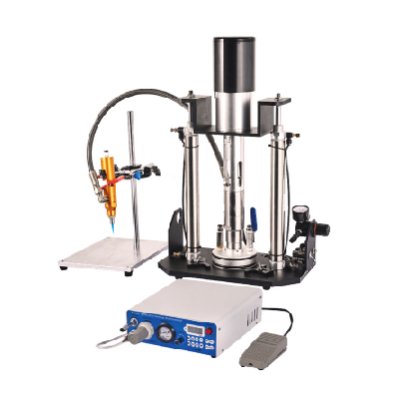
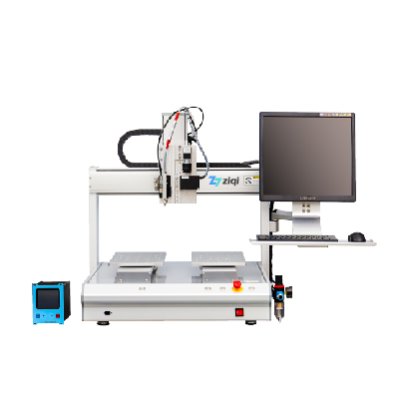
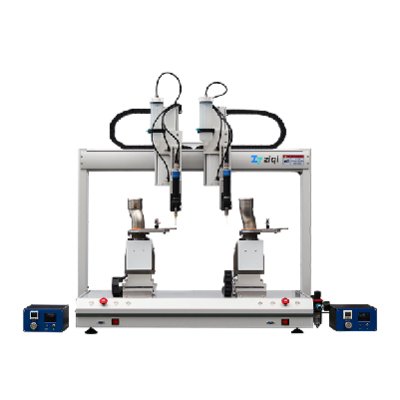
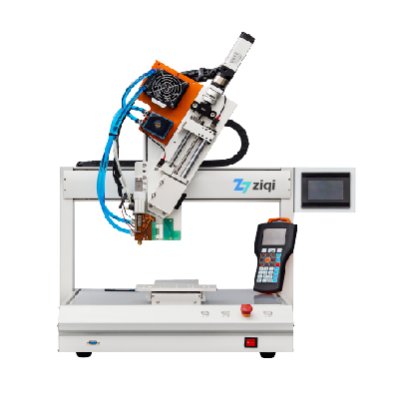
Shenzhen Ziqi Technology Co., Ltd. offers industrial plasma surface treatment equipment, including atmospheric and vacuum plasma systems. The appropriate configuration should be determined through application assessment and process validation.
Atmospheric Plasma Surface Treatment
Atmospheric plasma systems operate without requiring the workpiece to be placed inside a vacuum chamber.
They may be suitable for evaluating localized or continuous treatment of accessible ceramic surfaces before coating or screen printing.
Important selection factors include:
·Workpiece dimensions and surface geometry.
·Required treatment width and coverage.
·Plasma nozzle configuration and working distance.
·Movement speed and treatment consistency.
·The interval between treatment and the next process.
The suitability of atmospheric plasma depends on whether the system can deliver the required surface condition without damaging the substrate or affecting subsequent processing.
Inline Plasma Treatment Systems
For automated manufacturing, an inline plasma system can be integrated with conveyors, positioning mechanisms, or downstream coating and printing equipment.
Potential advantages include reduced separate handling and a more controlled interval between surface treatment and the next operation.
Actual productivity improvements depend on the production layout, workpiece positioning, cycle time, and integration requirements. The system should be evaluated under representative production conditions before implementation.
Vacuum Plasma Treatment Systems
Vacuum plasma systems operate in a controlled low-pressure environment and use different equipment configurations from atmospheric systems.
They may be appropriate for applications requiring low-pressure processing or a particular approach to surface cleaning and modification.
Neither atmospheric nor vacuum plasma is universally better for ceramic surface treatment. Selection should account for the target surface condition, workpiece geometry, process requirements, and production economics.
How Should Manufacturers Validate Plasma Treatment on Ceramics?
Before introducing plasma pretreatment into production, manufacturers should confirm that it improves the required surface or product characteristics under realistic manufacturing conditions.
A structured evaluation can follow these steps:
Identify the ceramic material.
Confirm the ceramic composition, surface finish, existing coating, contamination, and sensitivity to the proposed treatment.
Define the downstream requirements.
Identify the coating formulation or printing ink, application method, curing conditions, and required adhesion or durability performance.
Establish suitable plasma parameters.
Evaluate the equipment configuration, treatment distance, power settings, movement speed, and number of passes, as applicable to the selected system.
Compare untreated and treated samples.
Keep downstream processing conditions consistent so that the effect of plasma pretreatment can be assessed fairly.
Measure relevant performance indicators.
Depending on the application, evaluation may include water contact-angle measurements, coating adhesion tests, ink adhesion assessments, visual inspection, and durability testing.
Verify production feasibility.
Assess treatment consistency, cycle time, workpiece positioning, maintenance requirements, and integration with existing equipment.
The results should determine whether plasma pretreatment provides a measurable benefit and whether the process can be implemented reliably in production.
Why Consider Shenzhen Ziqi Technology for Plasma Surface Treatment Equipment?
Shenzhen Ziqi Technology Co., Ltd. provides industrial automation equipment, plasma surface treatment systems, and customized manufacturing solutions.
For ceramic manufacturers exploring surface pretreatment, equipment selection should begin with the actual material and application requirements rather than the assumption that one plasma configuration will suit every product.
A technical assessment should consider the ceramic substrate, coating or ink system, treatment area, production cycle, and required quality standards.
Manufacturers evaluating plasma treatment for ceramic coating or screen printing can prepare representative workpieces and downstream materials for application testing. This helps establish whether plasma pretreatment is suitable and which equipment configuration should be considered.
Frequently Asked Questions
Can atmospheric plasma improve ceramic coating adhesion?
Atmospheric plasma can improve the wettability of certain ceramic surfaces and may support better coating adhesion. The outcome depends on the ceramic composition, coating formulation, treatment parameters, and curing conditions. Appropriate adhesion testing is necessary to confirm the result.
Can plasma treatment be used before ceramic screen printing?
It may be suitable when plasma treatment improves the interaction between the ceramic substrate and the selected printing ink. Manufacturers should compare treated and untreated samples under the same printing and curing conditions.
Is atmospheric plasma better than vacuum plasma for ceramic surface treatment?
Neither technology is universally better. Atmospheric plasma may suit accessible surfaces and inline processing, while vacuum plasma may be appropriate for applications requiring low-pressure conditions. Selection depends on the workpiece and process requirements.
Can plasma treatment completely replace chemical cleaning?
Not necessarily. Plasma treatment may reduce the need for certain pretreatment steps, but its effectiveness depends on the contamination type, substrate, and required surface condition. Existing cleaning processes should only be changed after validation.
How can manufacturers verify whether plasma pretreatment is effective?
Manufacturers can compare treated and untreated samples using contact-angle measurements, adhesion testing, visual inspection, and application-specific durability tests. The evaluation should use the actual ceramic substrate, coating or ink, and production conditions.
Conclusion
Atmospheric plasma treatment offers a potential method for improving the wettability of suitable ceramic surfaces before coating and screen printing. When the substrate and downstream materials are compatible, it may help establish more favorable conditions for coating application and ink adhesion.
For manufacturers experiencing surface-related coating or printing defects, testing plasma pretreatment with actual production materials is a practical way to determine whether the process can deliver measurable benefits.
Shenzhen Ziqi Technology Co., Ltd. provides industrial plasma surface treatment equipment and customized automation solutions to support manufacturers evaluating their surface preparation and production requirements.
To assess a potential application, manufacturers should specify the ceramic material, coating or ink type, workpiece dimensions, and production requirements. These details help determine whether atmospheric plasma treatment is suitable for further evaluation.