
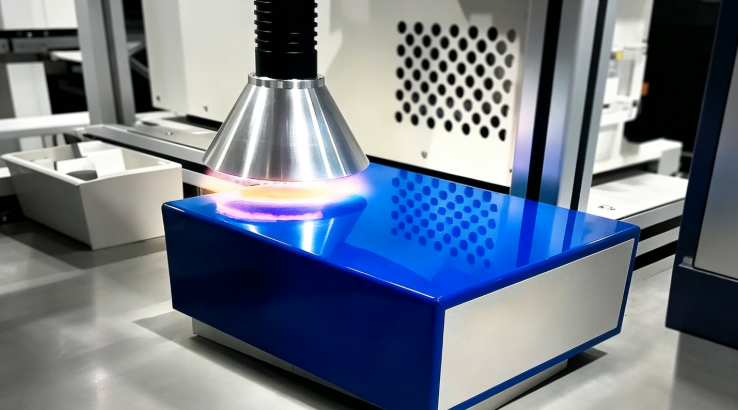
As electric vehicles, energy storage systems, and portable electronics continue to develop, battery manufacturers are under increasing pressure to achieve higher production efficiency, consistent product quality, reliable bonding, and stable manufacturing processes.
Battery production involves a wide range of materials and interfaces, including metals, polymer films, packaging materials, insulation components, adhesives, coatings, and other functional surfaces. When these surfaces have low surface energy, contamination, poor wettability, or insufficient adhesion, downstream processes such as bonding, coating, lamination, sealing, and encapsulation can become more difficult to control.
Plasma surface treatment provides a dry and controllable method for preparing suitable material surfaces before these manufacturing processes.
By cleaning and activating a surface, plasma treatment can modify surface energy and wettability and help improve compatibility between the substrate and subsequently applied adhesives, coatings, films, or other materials.
Quick Answer: What Does Plasma Treatment Do in Battery Manufacturing?
Plasma treatment is a dry surface preparation technology used to clean, activate, and modify the surface properties of suitable battery-related materials.
Depending on the material and process conditions, plasma treatment can help:
·Remove certain organic surface contaminants
·Increase surface energy
·Improve surface wettability
·Improve adhesive or coating compatibility
·Promote more consistent bonding
·Prepare surfaces for coating, lamination, sealing, or encapsulation
·Reduce reliance on some manual surface preparation processes
·Support automated and inline manufacturing
Plasma treatment does not directly increase battery energy density, determine battery cycle life, or guarantee battery safety. Its primary role is to improve surface and interface conditions, which can contribute to more stable and consistent manufacturing processes.
What Manufacturing Problems Can Plasma Treatment Solve?
For battery manufacturers, the most important question is often not “What is plasma?” but rather:
What production problem can plasma treatment solve?
Depending on the application, plasma treatment may help address several common surface-related challenges.
Poor Adhesion
Some battery-related materials have low surface energy or surfaces that are difficult to bond reliably.
If an adhesive, coating, film, or other material does not interact effectively with the substrate, bonding performance may become inconsistent.
Plasma activation can modify the surface characteristics of suitable substrates and improve their compatibility with subsequent materials.
Poor Wettability
When a liquid adhesive or coating does not spread evenly, it can result in incomplete coverage, uneven coating, or inconsistent contact.
Plasma treatment can increase the surface energy of suitable materials, helping liquids spread more uniformly across the treated surface.
Improved wettability can therefore support processes such as adhesive application, coating, printing, and bonding.
Surface Contamination
Manufacturing surfaces may contain certain organic residues or other contaminants that interfere with bonding or coating.
Plasma cleaning can remove certain contaminants and prepare the surface for the next manufacturing step.
However, plasma should not be considered a universal cleaning solution. The effectiveness depends on the type of contamination, substrate, plasma source, gas conditions, and process parameters.
Inconsistent Bonding or Coating
If incoming materials have inconsistent surface conditions, the same adhesive or coating process may produce different results.
Controlled plasma treatment can provide a more repeatable surface preparation step before bonding or coating, helping improve process consistency.
What Is Plasma Treatment for Battery Manufacturing?
Plasma is an ionized gas containing energetic species such as electrons, ions, radicals, and excited particles.
When plasma interacts with a material surface under controlled conditions, it can modify the surface without requiring substantial modification of the material's bulk properties.
For industrial manufacturing, plasma treatment may be used for:
·Surface cleaning
·Surface activation
·Surface energy modification
·Wettability improvement
·Adhesion enhancement
·Preparation before coating
·Preparation before bonding
·Preparation before lamination
·Preparation before sealing
Atmospheric-pressure plasma is particularly attractive for automated manufacturing because it can be configured for selective, contact-free surface treatment and integrated into production equipment. Industry applications also demonstrate the use of plasma systems in battery production and inline manufacturing environments.
How Does Plasma Treatment Improve Battery Material Surfaces?
The main value of plasma treatment comes from modifying the surface properties of a suitable material.
Surface Cleaning
Plasma can help remove certain organic contaminants from a material surface.
A cleaner surface can provide a more stable interface for subsequent:
·Adhesive bonding
·Coating
·Printing
·Lamination
·Sealing
·Encapsulation
·Surface Activation
Some polymer and other material surfaces naturally have relatively low surface energy.
After plasma activation, the surface chemistry and energy can be modified, potentially improving interaction with adhesives, coatings, or other materials.
Wettability Improvement
Surface wettability is particularly important when a liquid material needs to spread evenly over a substrate.
Improved wettability can help achieve more uniform liquid coverage and contact, supporting downstream bonding and coating processes.
Adhesion Improvement
For compatible material combinations, plasma activation can improve the interaction between a substrate and an adhesive, coating, film, or other material.
Research on lithium-ion battery pouch-film structures, for example, has reported improved interfacial adhesion after atmospheric-pressure plasma treatment under specific experimental conditions. However, the actual improvement depends on the substrate, plasma process, gas composition, and downstream material system.
Which Battery Materials and Components Can Be Treated with Plasma?
Plasma treatment is not suitable for every battery material or every manufacturing process.
The appropriate application depends on the substrate, surface condition, battery structure, production process, and required surface performance.
Potential applications may include:
Battery Packaging Materials
Plasma treatment can be considered for selected battery packaging and pouch-film interfaces where improved adhesion or surface compatibility is required.
Polymer Films and Insulation Components
Certain polymer films and insulation materials may require surface activation before bonding, coating, lamination, or other assembly processes.
Selected Metal Surfaces
Selected metal-related surfaces may be treated for cleaning or activation before bonding, coating, insulation, or other surface-sensitive processes.
Adhesive and Coating Interfaces
Plasma can be used as a pretreatment step before applying adhesives, protective coatings, thermal interface materials, or other functional materials.
Some industrial plasma systems are specifically designed to treat plastics, metals, and hybrid material combinations in battery and e-mobility applications.
Important: Material compatibility should always be validated through application testing before mass production.
Where Is Plasma Treatment Used in Battery Manufacturing?
Plasma treatment can be positioned before a downstream process where surface condition affects manufacturing quality.
Typical applications include:
Before Adhesive Bonding
Plasma activation can improve the surface condition before structural bonding or other adhesive applications.
Before Coating
Surface activation can improve coating wetting and adhesion on suitable substrates.
Before Film Lamination
For polymer films and multilayer structures, plasma pretreatment may help improve interfacial bonding.
Before Sealing
Selected sealing surfaces can be treated to improve surface cleanliness or compatibility with subsequent sealing processes.
Before Encapsulation
Plasma treatment may be used to prepare surfaces before encapsulation or application of protective materials.
Before Printing or Marking
For selected materials, improving surface wettability can support more consistent ink or marking adhesion.
Industry sources describe plasma applications across battery manufacturing, including bonding, sealing-related surfaces, contact cleaning, coating, and other surface preparation processes.
Can Plasma Treatment Be Integrated into Automated Battery Production Lines?
Yes.
One of the major advantages of industrial plasma treatment is its compatibility with automation.
A plasma treatment system can be integrated into a production line so that components are automatically positioned, treated, inspected, and transferred to the next process.
A typical automated process can be structured as:
Loading → Positioning → Plasma Treatment → Inspection → Bonding / Coating / Lamination → Final Assembly
For high-volume manufacturing, inline plasma treatment can reduce manual intervention and help maintain more consistent treatment conditions.
Equipment configuration can be designed according to:
·Workpiece dimensions
·Treatment area
·Production takt time
·Conveyor speed
·Plasma source
·Working distance
·Treatment head configuration
·Number of treatment heads
·Automated positioning
·Vision or inspection requirements
·Inline production layout
Atmospheric-pressure plasma systems are widely promoted for inline integration because they can treat selected surfaces without requiring a vacuum chamber, depending on the specific technology and application.
Atmospheric Plasma or Vacuum Plasma: Which Is Better for Battery Manufacturing?
There is no single plasma configuration that is best for every battery application.
The choice should be based on the material, geometry, treatment requirement, production volume, and process environment.
Atmospheric plasma is often considered when manufacturers require:
·Inline processing
·Continuous production
·Localized surface treatment
·Automated handling
·High-throughput production
·Integration with conveyors or robotic systems
Vacuum plasma can be useful when manufacturers require controlled batch processing or treatment of components where vacuum processing is appropriate.
Industrial plasma equipment suppliers offer both atmospheric and vacuum systems for different surface treatment requirements.
Therefore, equipment selection should be based on the actual application rather than simply choosing a plasma system with higher power.
How to Choose Plasma Treatment Equipment for Battery Manufacturing?
Selecting a plasma treatment machine requires more than comparing equipment power or machine dimensions.
Manufacturers should evaluate the following factors.
What Material Needs to Be Treated?
Identify the exact substrate:
·Metal
·Polymer
·Film
·Composite material
·Coated surface
·Multilayer structure
Different materials can respond differently to plasma treatment.
What Is the Purpose of Treatment?
Determine whether the primary objective is:
·Cleaning
·Activation
·Wettability improvement
·Adhesion improvement
·Surface modification
The treatment objective directly affects equipment configuration and process parameters.
What Is the Treatment Area?
A small localized area may require a different nozzle and motion system from a large-area or full-surface application.
What Is the Production Speed?
For automated production, the plasma treatment process needs to match the required takt time and material handling speed.
Is Inline Integration Required?
For high-volume battery production, an inline plasma treatment system may be more suitable than a standalone manual machine.
How Will the Process Be Validated?
Before mass production, manufacturers should test the actual material and downstream process.
Depending on the application, validation may include:
·Surface wettability testing
·Contact-angle measurement
·Adhesion testing
·Coating evaluation
·Bonding evaluation
·Process repeatability testing
The purpose is to determine whether plasma treatment provides the required improvement under actual production conditions.
How Is Plasma Treatment Effectiveness Measured?
Plasma treatment should be evaluated based on the actual downstream manufacturing requirement, rather than assuming that a higher plasma power automatically produces a better result.
For example:
Untreated Surface
↓
Lower surface energy / contamination / poor wettability
↓
Plasma Treatment
↓
Surface cleaning and activation
↓
Improved Surface Condition
↓
Better wetting / improved interface compatibility
↓
Downstream Process
↓
Bonding / coating / lamination / sealing
↓
Process Validation
This approach helps manufacturers determine whether plasma treatment is delivering a measurable benefit for their specific application.
ZiQi Plasma Surface Treatment Solutions for Battery Manufacturing
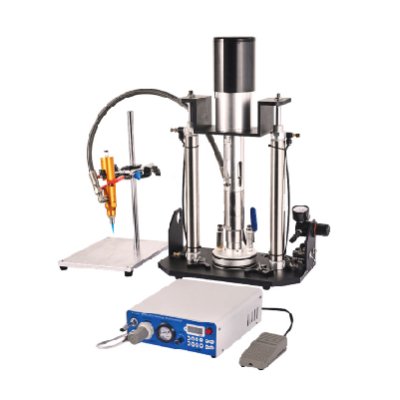
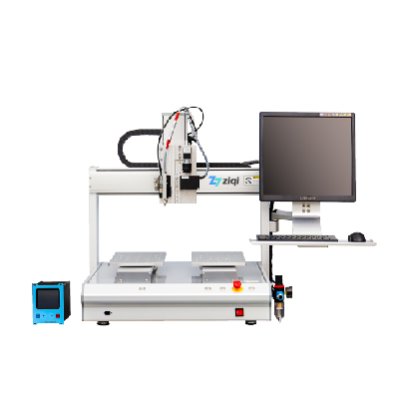
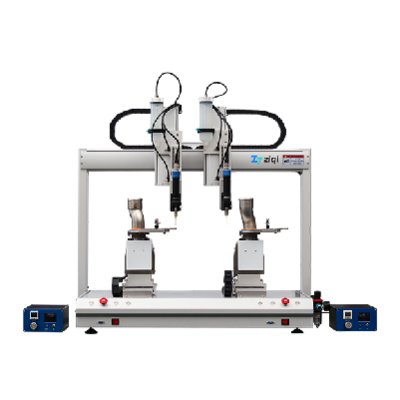
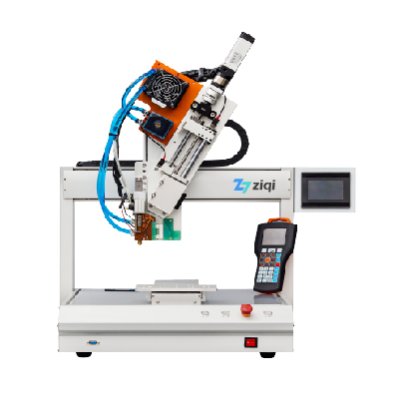
Shenzhen ZiQi Technology Co., Ltd. provides plasma surface treatment equipment and industrial automation solutions for manufacturers in battery, new energy, electronics, automotive, and other industrial sectors.
For battery-related applications, plasma treatment can be configured as a surface preparation process for:
·Surface cleaning
·Surface activation
·Wettability improvement
·Adhesion enhancement
·Interface preparation
·Automated production
ZiQi can develop equipment configurations according to the customer's:
·Material
·Product structure
·Treatment area
·Production speed
·Process requirements
·Automation requirements
·Automated plasma surface treatment systems
·Inline plasma treatment systems
·Customized plasma treatment machines
·Plasma systems integrated with automated production lines
Rather than selecting equipment based only on standard specifications, the recommended approach is to evaluate the actual substrate and downstream manufacturing process first.
Application testing can help determine the appropriate plasma technology, treatment configuration, working distance, treatment speed, and automation method before equipment selection.
Frequently Asked Questions
What is plasma treatment for battery manufacturing?
Plasma treatment is a dry surface preparation technology used to clean, activate, or modify suitable battery-related material surfaces before bonding, coating, lamination, sealing, or other manufacturing processes.
Why is plasma treatment used in battery manufacturing?
It is mainly used to improve surface cleanliness, surface energy, wettability, adhesion, and interface consistency for suitable materials and downstream processes.
Which battery materials can be treated with plasma?
Potential applications include selected polymer films, packaging materials, insulation components, metal-related surfaces, and other surface-sensitive interfaces. Suitability depends on the material and manufacturing process.
Can plasma treatment be used for EV battery manufacturing?
Yes. Plasma treatment can be integrated into selected EV battery manufacturing processes where surface cleaning, activation, adhesion, wettability, coating, bonding, or sealing performance is important.
Can plasma treatment equipment be automated?
Yes. Plasma treatment systems can be integrated with conveyors, positioning systems, robots, inspection systems, and other automated production equipment.
Is atmospheric plasma suitable for inline battery production?
Atmospheric plasma can be suitable for inline applications where continuous or localized surface treatment is required. The final configuration depends on the material, treatment area, production speed, and process requirements.
Conclusion: The Role of Plasma Treatment in Battery Manufacturing
As battery manufacturing becomes more automated and quality requirements become increasingly demanding, controlling material interfaces is becoming an important part of production engineering.
Plasma surface treatment provides a dry and controllable method for preparing suitable battery-related materials before bonding, coating, lamination, sealing, encapsulation, and other surface-sensitive processes.
Its primary benefits are associated with:
Surface Cleaning → Surface Activation → Improved Wettability → Better Adhesion → More Consistent Manufacturing
Plasma treatment does not directly replace battery chemistry, cell design, or safety engineering. Instead, its value lies in improving the surface and interface conditions that influence downstream manufacturing processes.
For manufacturers evaluating battery plasma treatment equipment, the most effective approach is to begin with the actual material and production problem, validate the treatment effect, and then develop the equipment configuration around the required process.
Looking for a customized plasma treatment machine for battery manufacturing?
Shenzhen ZiQi Technology Co., Ltd. can provide automated and customized plasma surface treatment solutions based on your material, treatment area, production speed, and automation requirements.
Contact ZiQi to discuss your battery plasma treatment application and evaluate a suitable solution.