
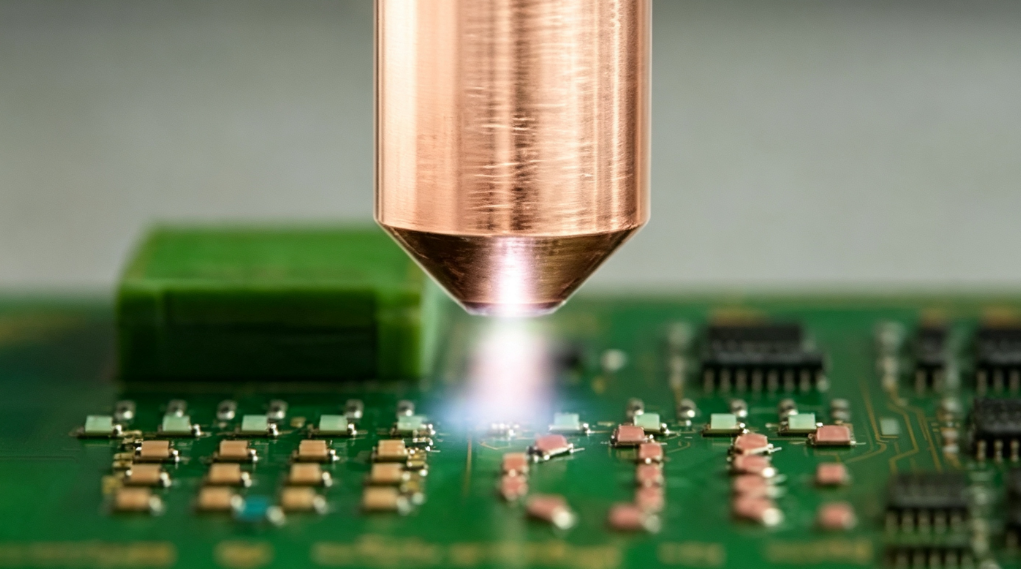
As electronic components and semiconductor devices become smaller and more precise, surface condition has become increasingly important for reliable manufacturing. Even small amounts of organic residue, processing contamination, or other surface impurities can affect subsequent bonding, coating, molding, and related processes.
Plasma surface treatment provides a dry, non-contact method for cleaning and activating material surfaces. By treating the surface with ionized process gases, plasma can help reduce contamination while modifying the surface properties. This can improve surface energy and wettability, helping adhesives, coatings, and other materials achieve more consistent contact and adhesion.
What Is Plasma Surface Treatment?
Plasma surface treatment uses energized gas to clean, activate, or modify a material surface. During the process, the process gas is ionized to generate reactive species that interact with the surface.
For electronic components and semiconductor-related applications, plasma treatment can provide two important functions:
Surface cleaning: Helps remove or reduce organic residues and other surface contaminants.
Surface activation: Modifies the surface to improve surface energy and wettability.
The combination of cleaning and activation makes plasma treatment useful for preparing surfaces before bonding, coating, molding, dispensing, and other downstream manufacturing processes.
How Does Plasma Treatment Improve Surface Adhesion?
Surface contamination and low surface energy can make it difficult for adhesives or coatings to spread and bond consistently. A surface may appear clean visually while still having microscopic contaminants or an unsuitable surface condition.
Plasma treatment can help prepare the surface by reducing contaminants and activating the material surface. Improved surface energy and wettability can allow adhesives and coatings to spread more effectively across the substrate.
In practical manufacturing processes, the basic process can be understood as:
Surface contamination → Plasma cleaning → Surface activation → Improved wettability → More consistent adhesion
This is particularly useful when manufacturers experience problems such as inconsistent bonding, adhesive peeling, poor coating adhesion, or unstable downstream processes.
The actual treatment effect depends on factors such as the material, contamination type, process gas, power, pressure, treatment time, and equipment configuration. Therefore, plasma parameters should be selected according to the specific application and verified through process testing.
Plasma Treatment for Electronic Components and Semiconductor Packaging
Plasma surface treatment can be applied to various electronic and semiconductor manufacturing processes where surface cleanliness and adhesion are important.
Before Adhesive Bonding
Before adhesive bonding, surface contamination or insufficient wettability can affect adhesive spreading and bonding consistency. Plasma treatment can prepare the component surface before adhesive dispensing and bonding.
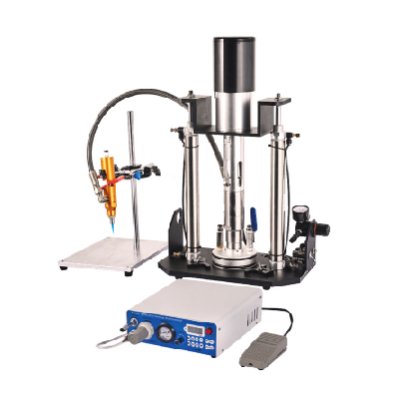
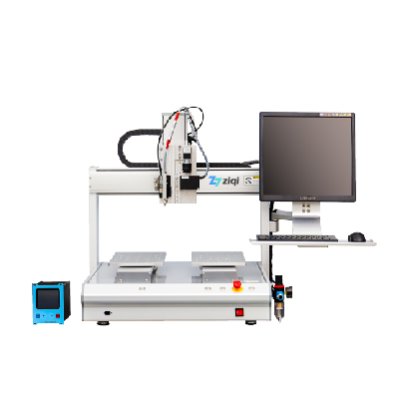
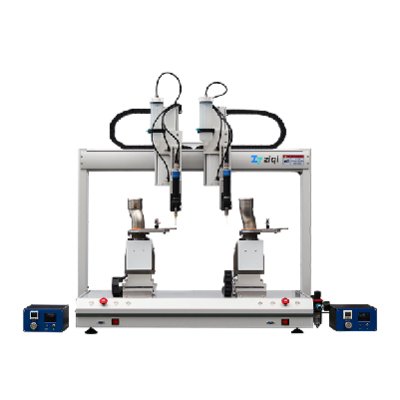
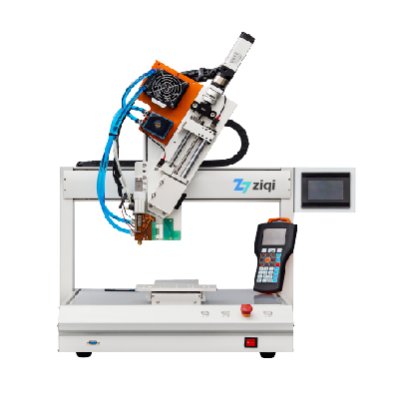
For automated production, plasma treatment can also be integrated into an automated process line:
Plasma Surface Treatment → Adhesive Dispensing → Bonding
This combination allows the surface to be prepared before a controlled amount of adhesive is applied.
Semiconductor and Chip Packaging
In semiconductor packaging, plasma treatment can be used for surface preparation of suitable package materials, lead frames, and other components before bonding, molding, coating, or related processes.
The objective is not simply to clean the surface, but to create a more suitable surface condition for the next manufacturing step.
Before Coating and Molding
Surface condition can also affect the adhesion of coatings and molding materials. Plasma activation can improve wettability and help create a more suitable interface between the substrate and the material applied afterward.
Why Use Plasma Before Bonding or Coating?
Plasma treatment offers several advantages for precision electronics manufacturing.
Non-contact treatment:
Plasma interacts with the surface without mechanical scrubbing, making it suitable for small or sensitive components.
Cleaning and surface activation:
Unlike a process focused only on removing visible contamination, plasma treatment can also modify surface characteristics to support subsequent bonding and coating.
Improved wettability:
Surface activation can increase surface energy and improve how adhesives or coatings spread across the substrate.
Improved adhesion consistency:
Better surface preparation can help improve the consistency of bonding and coating processes when surface condition is a contributing factor.
Dry process:
Plasma treatment is a dry process and can reduce the need for liquid cleaning agents in suitable applications.
Controllable process parameters:
Parameters such as gas type, power, pressure, and treatment time can be adjusted according to the material and production requirements.
Why Choose Plasma Surface Treatment for Precision Electronics?
For modern electronic components and semiconductor manufacturing, surface preparation is an important part of process stability. When conventional cleaning methods do not provide the required surface condition, plasma treatment can provide a controlled, non-contact alternative.
More importantly, plasma treatment should not be viewed only as a cleaning process. Its value is the combination of:
Cleaning + Surface Activation + Improved Wettability + Better Adhesion
By preparing the surface before bonding, dispensing, coating, or molding, plasma treatment can help manufacturers achieve more stable and consistent downstream processes.
Conclusion
Plasma surface treatment provides a practical solution for cleaning and activating electronic component and semiconductor-related surfaces. By reducing surface contamination and improving surface properties, plasma can help create better conditions for adhesive bonding, coating, molding, and other precision manufacturing processes.
For applications where adhesion is critical, plasma treatment can be used as a surface preparation step before dispensing and bonding, helping manufacturers improve process consistency and product reliability.
Shenzhen ZiQi Technology Co., Ltd. provides plasma surface treatment equipment and industrial automation solutions for electronics, semiconductor, automotive, and other precision manufacturing applications. Plasma process parameters can be configured according to different materials, surface conditions, and production requirements.
Frequently Asked Questions
Does plasma treatment improve adhesion?
Yes. Plasma treatment can clean and activate a material surface, increasing surface energy and improving wettability. This can help adhesives, coatings, and other materials achieve more consistent contact and adhesion.
What is plasma surface treatment used for in electronics?
Plasma surface treatment is used to clean and activate electronic component and semiconductor-related surfaces before bonding, coating, molding, dispensing, and other manufacturing processes.
Can plasma treatment be used before adhesive dispensing?
Yes. Plasma treatment can be integrated before adhesive dispensing to prepare the component surface. By improving surface wettability and surface condition, it can help create more consistent conditions for subsequent adhesive bonding.
What materials can be treated with plasma?
Plasma treatment can be applied to various materials, including selected plastics, metals, glass, ceramics, and semiconductor-related materials. The appropriate plasma process depends on the material, surface condition, and application requirements.
Can plasma treatment be integrated into an automated production line?
Yes. Plasma treatment equipment can be integrated with automated manufacturing processes. For example, plasma surface treatment can be positioned before adhesive dispensing and bonding to create a continuous automated process.