
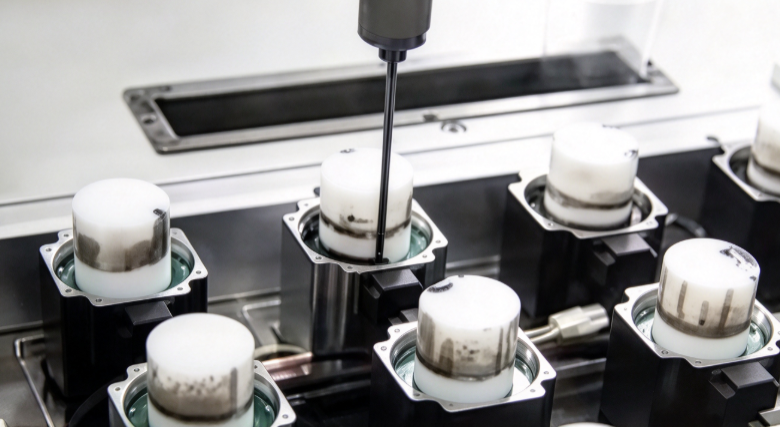
As electric motors become more compact and powerful, manufacturers face increasing challenges in electrical insulation, thermal management, and long-term operational reliability. These challenges are particularly important in new energy vehicle drive motors, industrial servo motors, and frameless motors used in humanoid robotics.
During motor manufacturing, air pockets, incomplete resin filling, and inconsistent material distribution can affect the insulation and mechanical protection of windings. Motor vacuum potting helps address these issues by combining vacuum processing with controlled resin dispensing, allowing insulating materials to fill designated gaps and cavities more consistently.
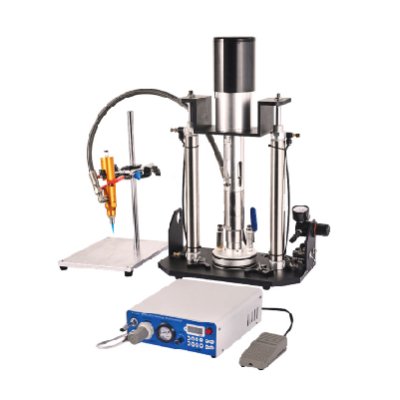
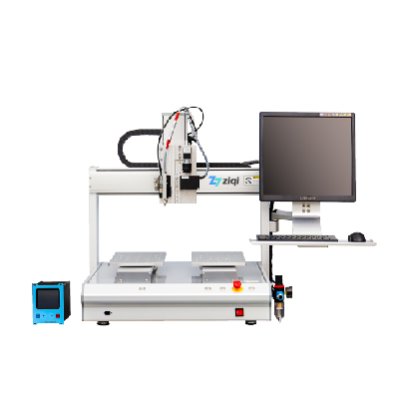
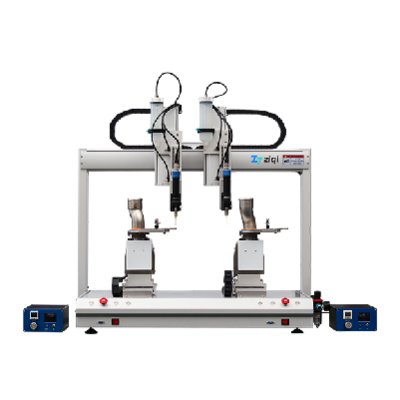
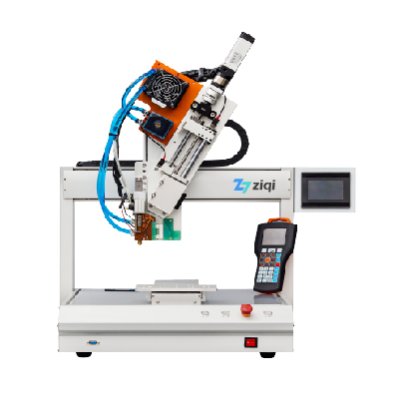
An automatic motor vacuum potting machine integrates precision metering, material mixing, vacuum degassing, and programmable dispensing to support a more controlled manufacturing process.
Shenzhen Ziqi Technology Co., Ltd. develops automatic dispensing equipment and customized solutions for different motor potting applications, helping manufacturers optimize resin application according to motor structures, material properties, and production requirements.
Why Is Vacuum Potting Important in Electric Motor Manufacturing?
Motor windings contain narrow spaces between copper wires, insulation layers, and surrounding structural components. During conventional atmospheric-pressure potting, air may remain trapped in these areas, resulting in incomplete filling and internal voids.
Vacuum-assisted potting helps reduce trapped air and allows suitable liquid potting materials to flow into accessible internal gaps. When properly matched with the material and motor design, this process can improve insulation integrity, mechanical protection, and heat transfer.
Improved Electrical Insulation
Air gaps inside motor winding structures can become potential weak points in the insulation system. By reducing trapped air and filling designated spaces with suitable insulating materials, vacuum potting helps improve insulation integrity.
For high-voltage motor applications, reducing internal voids may also help minimize potential partial discharge risks. Actual insulation performance depends on the complete insulation system, material selection, and manufacturing process.
Enhanced Thermal Management
Motor windings generate heat during operation. Inadequate contact between the windings and surrounding structures can restrict heat transfer.
Thermally conductive potting compounds, such as specially formulated epoxy or silicone materials, can create more continuous heat transfer paths. This helps improve heat dissipation when the material properties and potting design are properly selected.
Better Mechanical Protection
After curing, the potting compound helps secure motor windings and reduce movement caused by vibration and electromagnetic forces.
Depending on the material properties and sealing design, it can also provide additional protection against moisture, dust, and other environmental contaminants.
More Consistent Manufacturing Quality
Manual potting may result in variations in material quantity, mixing ratios, dispensing positions, and filling performance.
An automatic dispensing machine uses controlled material metering and programmable dispensing parameters to reduce manual intervention and improve process repeatability.
Common Challenges in Motor Stator Vacuum Potting
Motor stator potting involves more than simply filling gaps with resin. Different winding structures, material characteristics, and production requirements create several process challenges.
Complex Winding Structures
Motor stators contain multiple winding layers and narrow internal spaces. Resin may not easily reach certain areas, especially when the winding arrangement is dense or the gaps are difficult to access.
A suitable vacuum and dispensing process helps improve material penetration and filling consistency.
Material Viscosity and Flowability
Different potting compounds have different viscosity and flow characteristics. High-viscosity materials may require optimized temperature and dispensing conditions to achieve the required filling performance.
Air Entrapment During Material Preparation
Air can enter resin during storage, transportation, mixing, and material delivery. Without appropriate degassing and vacuum control, bubbles may remain in the finished potting structure.
Accurate Mixing and Material Output
For two-component materials, maintaining the specified A/B mixing ratio is essential for proper curing and final material performance. Unstable material output or inaccurate mixing can affect the quality of the finished motor.
Consistent Potting Results Across Different Models
Manufacturers may need to process different motor stators with varying dimensions and winding configurations. The equipment must support appropriate dispensing paths, material quantities, and process parameters for each workpiece.
Key Technologies of an Automatic Motor Vacuum Potting Machine
Designed for motor potting applications, an automatic vacuum potting system can integrate material metering, mixing, vacuum degassing, dispensing control, and automated operation.
The specific configuration can be customized according to the motor structure, resin characteristics, and production requirements.
High-Precision Metering and Mixing System
Accurate material metering and mixing are essential for two-component motor potting applications.
The machine can be equipped with a servo-driven screw metering pump to control the output of components A and B according to the specified mixing ratio.
By adjusting pumpspeeds and dispensing parameters, the system can accommodate different material ratios and dispensing volumes.
Stable material delivery helps maintain consistent resin output, control the amount of material applied, and reduce unnecessary material consumption.
Integrated Vacuum Degassing and Potting System
Air bubbles introduced during material storage, mixing, or transportation can affect the final potting quality.
The machine can be configured with a dual-tank vacuum degassing system to process components A and B separately before dispensing.
After material preparation, the resin is delivered to the metering and mixing system for controlled application.
Combined with a vacuum potting chamber, this configuration helps reduce air entrapment and improve resin filling in designated motor winding areas.
Vacuum level, degassing time, and processing sequence should be adjusted according to material properties, workpiece structure, and actual process requirements.
Programmable Dispensing and Process Control
Different motor models require different dispensing paths, material quantities, and processing parameters.
An automatic control system with a graphical touchscreen interface allows operators to configure and store dispensing programs for different workpieces.
Key functions may include:
·Programmable Dispensing Paths: Supports customized dispensing paths according to stator and rotor structures.
·Parameter Storage: Stores process recipes for different motor models to simplify production changeovers.
·Process Monitoring: Monitors relevant operating parameters, such as material pressure and dispensing conditions.
·Programmable Process Adjustment: Allows operators to adjust dispensing parameters according to different material and workpiece requirements.
·Production Line Integration: Can be configured with automatic loading and unloading, conveyors, and other auxiliary equipment.
These functions help improve process repeatability, reduce manual intervention, and support more consistent production management.
Material Compatibility and Customized Configuration
Motor potting materials vary in viscosity, chemical properties, mixing ratios, and curing characteristics.
Common materials include epoxy resin, silicone, and polyurethane (PU). The appropriate material delivery components, metering pumps, pipelines, and dispensing valves should be selected according to the specific formulation.
The material supply system can also be customized to accommodate different handling requirements, helping improve material delivery stability and simplify equipment maintenance.
How Does the Motor Vacuum Potting Process Work?
An automatic motor vacuum potting machine combines workpiece positioning, material preparation, vacuum processing, precision dispensing, and curing into a controlled manufacturing workflow.
A typical process includes the following stages:
Workpiece Loading and Positioning
The motor stator or other designated workpiece is placed onto a dedicated fixture and positioned according to the preset dispensing program.
Accurate positioning helps ensure that the potting material is applied to the required areas.
Material Preparation and Preheating
The potting material is prepared according to the specified mixing ratio and process requirements.
If necessary, the material or workpiece can be preheated to improve resin flowability and reduce viscosity. Temperature settings must follow the material manufacturer's recommendations to avoid affecting pot life or curing performance.
Vacuum Degassing
The material components are processed through the configured vacuum degassing system to reduce entrapped air.
The workpiece is also placed under vacuum when required by the selected potting process. Material degassing and workpiece vacuum processing are separate operations, although they can be integrated into one automated system.
Precision Vacuum Dispensing
The metering and mixing system delivers the prepared potting material according to the preset ratio and dispensing volume.
Under the configured vacuum conditions, the material is introduced into designated winding areas and internal gaps.
Dispensing paths, flow rates, and material quantities are controlled to improve filling consistency and reduce the possibility of incomplete filling.
Vacuum Release and Workpiece Unloading
After dispensing is completed, the chamber returns to atmospheric pressure according to the programmed process.
The workpiece is then transferred out of the chamber for the next manufacturing stage.
The vacuum release sequence should be optimized according to the resin characteristics and workpiece design.
Curing and Quality Inspection
The potted motor proceeds to curing, using room-temperature or heat-assisted curing according to the material specifications.
After curing, the workpiece can undergo visual inspection, insulation resistance testing, dielectric strength testing, and other application-specific quality checks.
The exact process sequence may vary depending on the dispensing equipment, resin formulation, and motor structure.
Applications of Automatic Motor Vacuum Potting Machines
Motor vacuum potting is used in various industries where electrical insulation, thermal management, and mechanical protection are important.
New Energy Vehicle Drive Motors
Electric vehicle drive motors operate under demanding electrical and thermal conditions.
Vacuum-assisted potting helps fill designated winding gaps and improve insulation protection when suitable materials and processes are used.
Typical applications include drive motor stators, rotor assemblies, and related electrical components.
Industrial Servo Motors
Industrial servo motors require stable operation, precise motion control, and reliable insulation during continuous production.
Automated potting helps improve resin distribution around motor windings and supports consistent manufacturing quality.
Typical applications include servo motor stators and industrial motor winding assemblies.
Frameless Motors for Humanoid Robotics
Frameless motors are increasingly used in compact robotic joints and motion systems. Their limited internal space and compact winding structures create additional challenges for resin application.
Precision vacuum dispensing helps control material quantities and improve filling consistency in designated areas.
Typical applications include frameless torque motors and compact robotic joint motor assemblies.
Home Appliance Motors
Electric motors used in home appliances also require reliable insulation and protection against environmental factors.
Automated potting solutions can support consistent material application across different motor configurations.
Typical applications include fan motors, pump motors, and other appliance motor assemblies.
How to Choose the Right Automatic Motor Vacuum Potting Machine?
Selecting an appropriate motor vacuum potting machine requires more than considering dispensing speed or equipment specifications. Manufacturers should evaluate the following factors before choosing an automated solution.
Motor Structure and Dimensions
Different motor stators and rotors have different winding arrangements, internal gaps, and potting areas. Equipment configuration should be based on workpiece dimensions, fixture requirements, and dispensing accessibility.
Potting Material Properties
Epoxy, silicone, and polyurethane materials have different viscosity, mixing ratios, curing characteristics, and operating temperature requirements.
The metering pump, material supply system, and dispensing valve should be selected according to the properties of the chosen material.
Vacuum and Degassing Requirements
The required vacuum level and degassing method depend on the material and workpiece structure.
Manufacturers should evaluate the vacuum chamber design, pump capacity, degassing performance, and process cycle time.
Dispensing Accuracy and Material Output
The metering system should provide stable material output and support the required mixing ratio and dispensing volume.
Actual metering accuracy and filling performance should be verified through material-specific testing under representative production conditions.
Automation and Production Capacity
For manufacturers processing multiple motor models or requiring higher production capacity, programmable dispensing recipes, automatic loading and unloading, and production line integration can improve operational efficiency.
Before finalizing the equipment configuration, sample testing is recommended to evaluate resin flowability, vacuum conditions, dispensing volume, filling performance, and curing results.
Shenzhen Ziqi Technology Co., Ltd. provides customized automatic dispensing equipment according to motor structures, material characteristics, and production requirements.
Frequently Asked Questions
What is motor vacuum potting?
Motor vacuum potting is a manufacturing process that uses vacuum conditions and controlled resin dispensing to fill designated cavities and gaps in electric motor components. It helps reduce trapped air and provides electrical insulation, mechanical protection, and thermal management when suitable materials are used.
Why is vacuum potting used in electric motor manufacturing?
Vacuum potting helps reduce air trapped in narrow winding gaps and internal cavities. It improves material filling consistency and can enhance insulation integrity, mechanical stability, and heat transfer.
What is the difference between vacuum potting and vacuum pressure impregnation (VPI)?
Vacuum potting generally uses a vacuum environment and controlled resin dispensing to fill designated areas or cavities within a workpiece.
Vacuum Pressure Impregnation (VPI) typically involves placing a stator or winding assembly in an impregnation chamber, removing air under vacuum, introducing resin, and applying an additional positive-pressure stage to promote deeper resin penetration into the insulation structure.
Although both processes use vacuum technology, their equipment configurations, material application methods, and intended results are different.
Does vacuum potting eliminate all air bubbles in motor windings?
Not necessarily. Vacuum processing helps reduce trapped air, but the final result also depends on resin viscosity, winding geometry, vacuum conditions, material degassing, and dispensing parameters. Process testing is necessary to evaluate filling performance.
Why is accurate resin mixing important in motor potting?
For two-component materials, the specified A/B mixing ratio is essential for proper chemical curing and final material properties. Inaccurate mixing may lead to incomplete curing or reduced mechanical and electrical performance.
Customized Motor Vacuum Potting Solutions by Shenzhen Ziqi Technology
As electric motor manufacturing continues to evolve, manufacturers need more precise and consistent potting processes to meet increasingly demanding insulation, thermal management, and production requirements.
An automatic motor vacuum potting machine combines precision metering, material mixing, vacuum degassing, and programmable dispensing to help improve process consistency and material application.
Shenzhen Ziqi Technology Co., Ltd. provides customized automatic dispensing equipment for different motor potting applications, including new energy vehicle drive motors, industrial servo motors, and compact motor assemblies.
By evaluating motor structures, resin properties, and production requirements, our team can help customers develop suitable dispensing equipment configurations for their manufacturing processes.
Contact Shenzhen Ziqi Technology to discuss your motor vacuum potting requirements and arrange sample testing for your specific materials and workpieces.