
Introduction
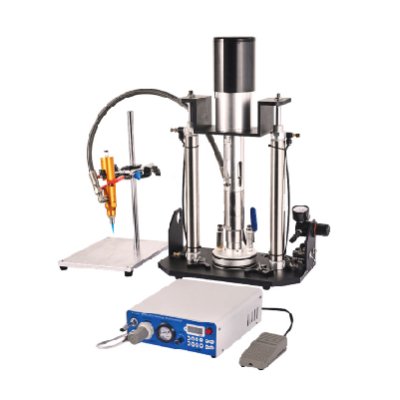
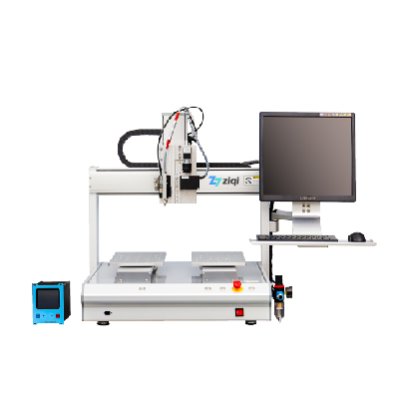
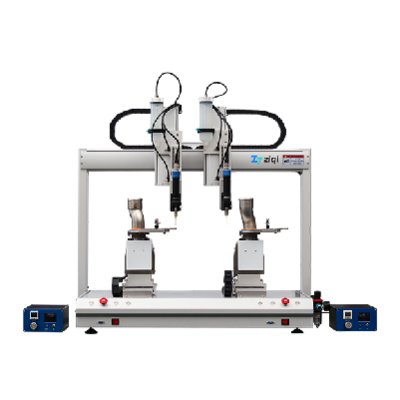
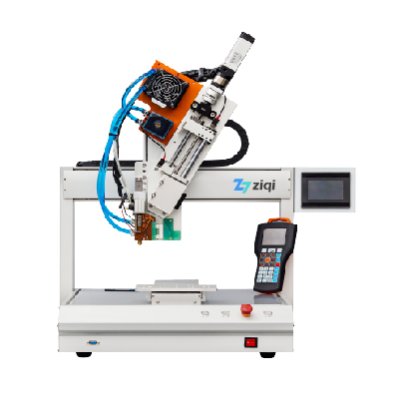
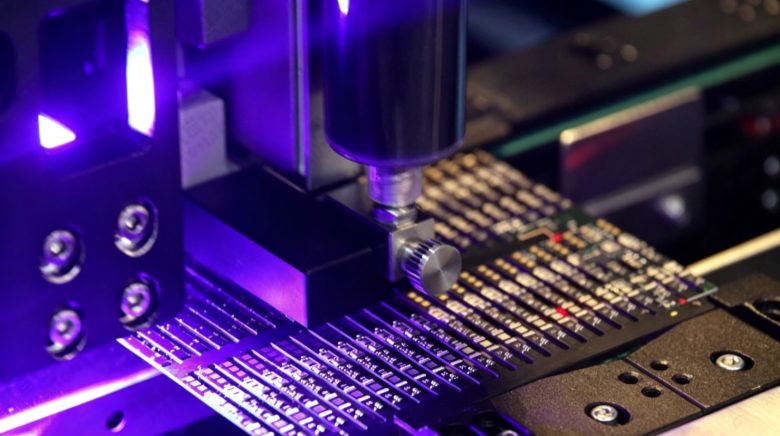
An inline PCB dispensing machine is an automated system that applies adhesives or other dispensing materials to printed circuit boards (PCBs) within a production line. It combines conveyor-based board handling, programmable motion control, and dispensing technology to support consistent material application.
Depending on the application, the machine can also use vision positioning to identify PCB reference marks and compensate for board placement deviations. It is commonly used for component fixation, bonding, sealing, and other electronic assembly processes.
Shenzhen Ziqi Technology Co., Ltd. provides automatic dispensing equipment and customized automation solutions for industrial manufacturing applications.
How Does an Inline PCB Dispensing Machine Work?
An inline PCB dispensing machine coordinates board transfer, positioning, and adhesive application through a programmed process.
A typical workflow includes:
·PCB Loading: The conveyor transfers the PCB from the upstream production process into the dispensing station.
·Positioning: The PCB is aligned for dispensing. When equipped with a vision system, the camera identifies reference marks and adjusts dispensing coordinates according to the detected board position.
·Automatic Dispensing: The dispensing valve follows a programmed path to apply material in dots, lines, curves, or other specified patterns. Parameters depend on the valve, material supply system, and adhesive properties.
·PCB Transfer: After dispensing, the board moves to the next production process.
This workflow supports automated material application and reduces repetitive manual handling.
Key Benefits of Inline PCB Dispensing Machines
Production Line Integration
Conveyor-based handling allows the dispensing machine to connect with upstream and downstream equipment, helping reduce manual transfers and support continuous PCB assembly. Integration depends on conveyor specifications, communication interfaces, and production cycle time.
Consistent Adhesive Application
Programmable motion control and dispensing parameters help maintain consistent material placement and volume. Optional vision positioning can compensate for PCB placement deviations, while actual dispensing accuracy also depends on the machine configuration, valve performance, and material characteristics.
Flexible Production and Material Control
Different dispensing paths and parameters can be programmed for different PCB products.
Suitable valve and material supply configurations help control adhesive output and reduce unnecessary material consumption. Actual results depend on the dispensing process and production conditions.
Common PCB Dispensing Applications
Inline dispensing systems can be configured for several electronic manufacturing processes:
·Component Fixation: Applies surface mount adhesive or other bonding materials to hold components in position during assembly and reflow processes.
·Underfill Dispensing: Applies specialized underfill materials in selected BGA, CSP, and flip-chip applications to fill gaps beneath packages and support solder-joint reliability.
·Localized Sealing and Bonding: Uses silicone, epoxy, and other suitable materials to seal or bond designated PCB areas and electronic components.
Thermal Interface Material (TIM) Dispensing: Applies thermally conductive materials, such as gels, greases, or gap fillers, to support heat transfer between components and heat dissipation structures.
Valve and supply system selection should consider material viscosity, filler content, flow characteristics, and dispensing volume.
For broader PCB surface protection, conformal coating is a separate process that applies a thin protective layer over a PCB assembly and may require dedicated coating equipment.
How to Choose the Right Inline PCB Dispensing Machine
Selecting suitable equipment requires evaluating the PCB, dispensing material, and production line.
·PCB Size and Handling: Confirm board dimensions, thickness, weight, conveyor requirements, and working range.
·Material Properties: Consider adhesive viscosity, curing requirements, filler content, and whether the material is one-component or two-component.
·Dispensing Valve: Pneumatic, screw, and jet dispensing systems serve different material and application requirements. Selection should be based on the required dispensing volume, pattern, and production speed.
·Vision Positioning: Determine whether PCB placement variations or small dispensing areas require camera-based positioning and coordinate compensation.
·Production Line Compatibility: Check conveyor dimensions, transfer direction, communication interfaces, installation space, and overall cycle time.
Dispensing tests using the actual PCB and adhesive are recommended to confirm equipment configuration and process suitability.
Inline PCB Dispensing Solutions from Shenzhen Ziqi Technology
Shenzhen Ziqi Technology Co., Ltd. specializes in industrial automatic dispensing machines, vision-based dispensing systems, and customized automation equipment.
For PCB dispensing applications, equipment configuration should be evaluated according to PCB dimensions, adhesive properties, dispensing patterns, valve requirements, and production line conditions.
By understanding these requirements, Shenzhen Ziqi Technology can discuss suitable dispensing configurations for different electronic manufacturing processes.
Frequently Asked Questions
Can an inline PCB dispensing machine be integrated into an SMT production line?
Yes. Integration is possible when conveyor dimensions, board handling, communication interfaces, and production cycle time are compatible with the existing line.
Does every inline PCB dispensing machine require a vision system?
No. Vision positioning is optional and depends on PCB positioning requirements, dispensing accuracy needs, and equipment configuration.
What materials can an inline PCB dispensing machine handle?
Common materials include epoxy, silicone, UV-curable adhesives, and selected thermal interface materials. The dispensing valve and supply system must match the material properties.
How can I choose the right dispensing valve?
Consider material viscosity, filler content, required dispensing volume, application pattern, and production speed. Testing with the actual material is recommended.
Conclusion
An inline PCB dispensing machine combines conveyor handling, programmable motion control, and dispensing technology to automate adhesive application in PCB manufacturing. With a suitable valve, material supply system, and optional vision positioning, it can support component fixation, localized sealing, underfill, and thermal material applications.
Choosing the right configuration requires matching the equipment to the PCB, material, dispensing process, and production line requirements.