
Introduction: Solving the Key Challenges in EV Battery Potting
As electric vehicles (EVs), energy storage systems, and automotive electronics continue to grow rapidly, battery manufacturers are facing increasingly demanding requirements for safety, reliability, and production consistency.
Battery potting is a critical process used to protect battery modules, electronic components, and power systems from moisture, vibration, thermal stress, and environmental damage. However, two major challenges continue to affect manufacturing quality:
How can manufacturers eliminate air bubbles during EV battery potting?
How can two-component adhesives maintain accurate mixing ratios during long-term production?
Air bubbles and unstable adhesive mixing can lead to internal voids, poor thermal performance, insufficient bonding strength, and reduced product reliability.
To overcome these challenges, modern manufacturers are increasingly adopting intelligent dispensing and potting systems that combine:
·Vacuum degassing technology
·Precision A/B adhesive metering
·Closed-loop mixing ratio control
·Automated dispensing processes
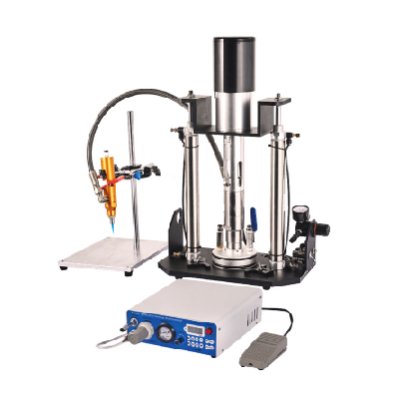
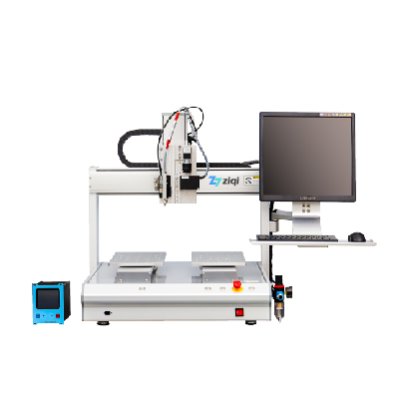
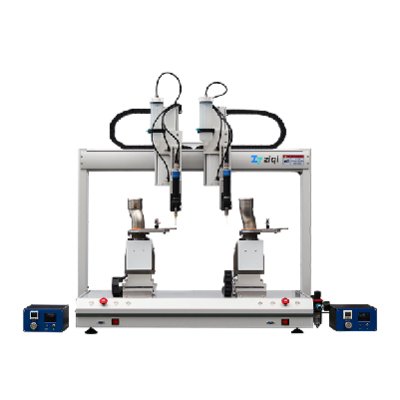
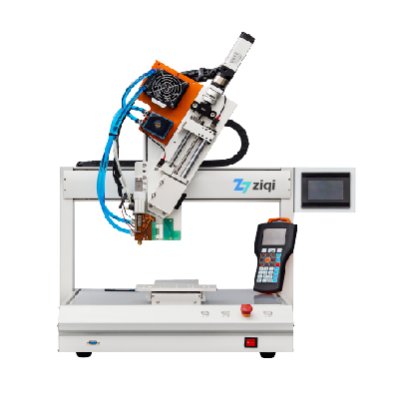
With extensive experience in industrial fluid automation, Shenzhen ZiQi Technology Co., Ltd. provides customized dispensing and potting solutions for EV battery modules, battery PACK manufacturing, automotive electronics, and energy storage applications.
Why Do Air Bubbles Occur During EV Battery Potting?
Air bubbles are one of the most common quality issues in battery potting processes. Once adhesive materials cure with trapped air inside, these internal voids can negatively affect product performance.
Common causes of air bubbles include:
Dissolved Air Inside Adhesive Materials
Many two-component adhesives, including epoxy, polyurethane (PU), and silicone materials, naturally contain microscopic air during storage, transportation, and material preparation.
Air Introduced During Adhesive Mixing
During the mixing process of A/B adhesives, improper mixing methods or excessive mechanical agitation may introduce additional air into the material.
Air Trapped Inside Product Structures
Battery modules and electronic assemblies often contain narrow gaps, complex structures, and densely arranged components.During traditional dispensing processes, air may become trapped in areas where adhesive cannot flow smoothly.
When curing begins, these trapped areas can form internal voids that are difficult to detect but may impact product performance.
How Does Vacuum Degassing Eliminate Air Bubbles in Battery Potting?
To achieve reliable bubble reduction, vacuum degassing should be integrated into the complete dispensing process rather than treated as a separate operation.
An advanced battery potting machine typically combines multiple vacuum control stages:
Material Tank Vacuum Degassing
Before dispensing begins, A and B adhesive materials are stored in controlled tanks.A vacuum degassing process helps remove dissolved gases from the adhesive, improving material stability before mixing.
Vacuum-Assisted A/B Adhesive Mixing
After accurate metering, the two adhesive components enter the mixing system.Under controlled vacuum conditions, the system reduces the possibility of introducing additional air during the mixing process.
A stable mixing environment helps achieve better adhesive uniformity and curing performance.
Vacuum Dispensing for Complex Components
For applications with complicated structures, vacuum-assisted dispensing can help remove residual air from internal spaces before adhesive filling.
The adhesive can then flow into narrow areas more effectively, improving coverage and reducing the possibility of hidden voids.
Why Is Accurate Two-Component Adhesive Mixing Important?
Besides air bubbles, another major challenge in battery potting is maintaining a stable A/B adhesive mixing ratio.Two-component adhesives are designed to cure according to a specific chemical ratio between component A and component B.
If the mixing ratio changes during production, manufacturers may experience:
·Incomplete curing
·Reduced bonding strength
·Poor thermal performance
·Increased product defects
For EV battery applications, consistent adhesive performance is essential because potting materials often provide both:Structural protection、Thermal management.
How Precision Metering Systems Maintain Stable Mixing Ratios?
Traditional dispensing systems may experience accuracy changes caused by:
·Adhesive viscosity variations
·Material level fluctuations
·Temperature changes
·Filler sedimentation
To maintain stable production quality, modern automatic dispensing systems use precision metering technology and closed-loop process control.
Key technologies include:
·High-Precision Servo Metering
·Independent A/B Material Control
·Customized ratios according to adhesive requirements
·Automatic Calibration and Process Monitoring
How to Choose an EV Battery Potting Machine?
Selecting the right battery potting machine depends on several important factors:
Adhesive Material Characteristics
Different materials require different dispensing technologies.Examples:Epoxy resin、Polyurethane (PU)、Silicone adhesive、Thermal conductive compounds.
The dispensing system should match the viscosity, curing characteristics, and mixing requirements of the adhesive.
Production Capacity Requirements
Manufacturers should consider:Daily production volume、Cycle time requirements、Automation level、Production line integration.
For high-volume manufacturing, inline automatic dispensing systems can improve efficiency and process consistency.
Product Structure and Application Requirements
Battery modules, battery PACKs, PCBA assemblies, and power electronics may require different dispensing methods.
Important considerations include:Product size、Dispensing position accuracy、Filling volume、Adhesive coverage requirements.
Process Control Capability
A reliable battery potting solution should provide:Accurate metering、Stable mixing、Vacuum control、Recipe management、Production monitoring.
These features help manufacturers achieve repeatable quality during mass production.
Integrated EV Battery Potting Solutions from Shenzhen ZiQi Technology
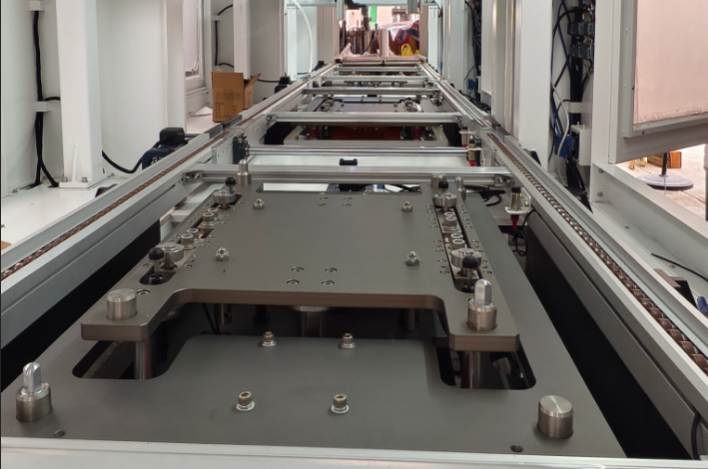
Instead of using separate equipment for each process step, Shenzhen ZiQi Technology develops integrated dispensing and potting systems that combine multiple functions into one automated solution.
The system can integrate:
·Precision A/B adhesive metering
·Automatic adhesive mixing
·Vacuum degassing
·Vision-guided positioning
·Automated dispensing
·Inline production integration
Frequently Asked Questions About EV Battery Potting
What causes bubbles in battery potting?
Air bubbles are usually caused by dissolved gas inside adhesives, air introduced during mixing, or trapped air inside complex product structures.
How can manufacturers reduce bubbles during battery potting?
Manufacturers can reduce bubbles by using vacuum degassing, vacuum-assisted mixing, and optimized dispensing processes.
What is a two-component adhesive dispensing system?
A two-component dispensing system accurately measures, mixes, and dispenses A/B adhesives according to a specified mixing ratio.
Why is mixing accuracy important for EV battery potting?
Stable mixing accuracy ensures proper adhesive curing, bonding performance, and long-term reliability.
Conclusion: Building More Reliable EV Battery Manufacturing Processes
As EV battery technology continues to advance, manufacturers need more reliable and intelligent production solutions.
Eliminating air bubbles and maintaining accurate two-component adhesive mixing are two essential factors for improving battery potting quality.
By combining:
·Vacuum degassing technology
·Precision A/B adhesive metering
·Intelligent process monitoring
·Automated dispensing control
manufacturers can improve product consistency, reduce production risks, and achieve more efficient mass production.
With years of experience in industrial fluid automation, Shenzhen ZiQi Technology Co., Ltd. delivers customized battery potting and dispensing solutions to help global manufacturers improve quality, efficiency, and automation levels in next-generation EV and electronic manufacturing.