
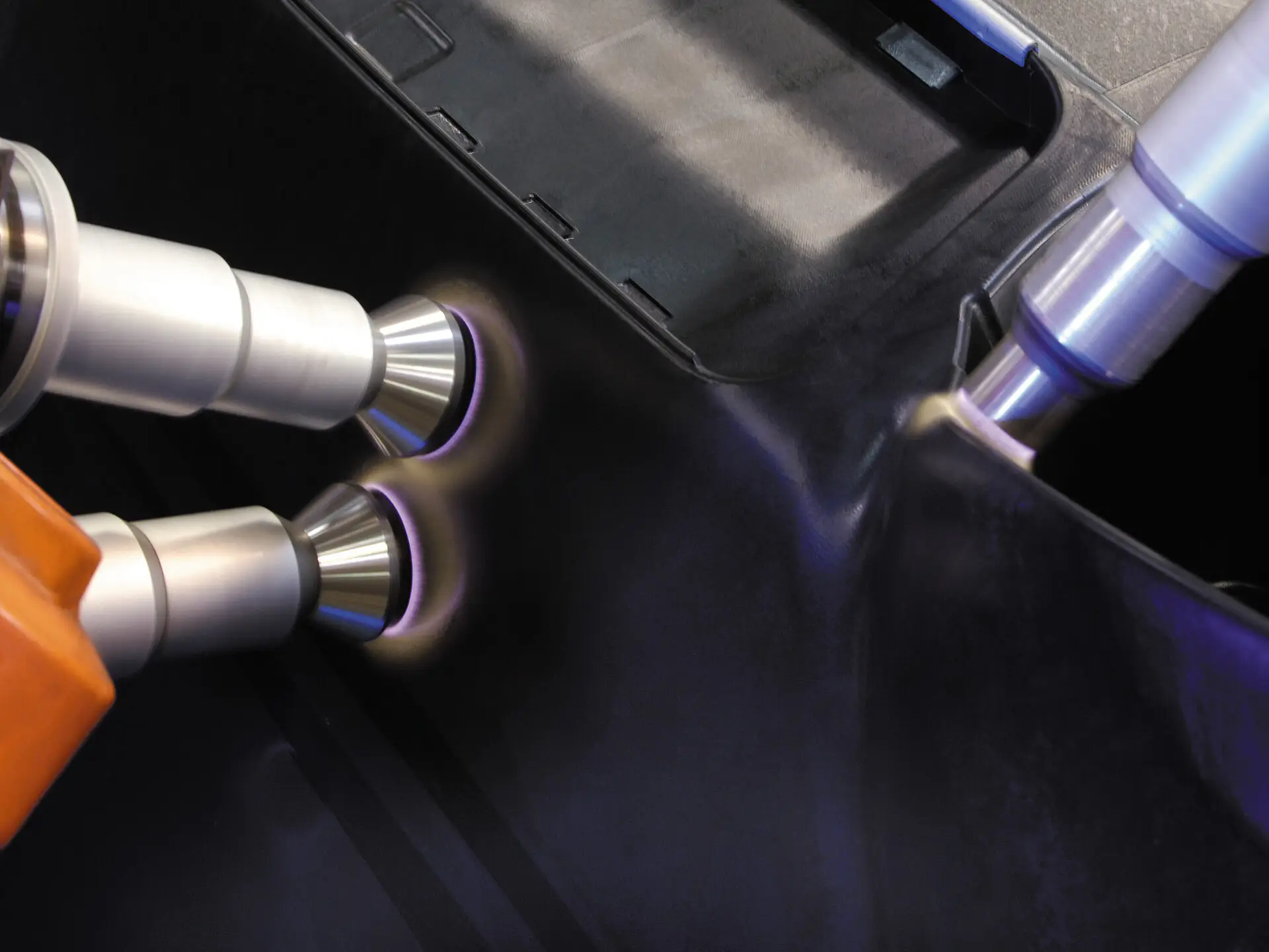
Automotive interior plastic components, including instrument panels, center consoles, door trim, and functional buttons, often require painting or coating to achieve the desired appearance and surface performance. However, some plastics, particularly polypropylene (PP), can be difficult to paint because of their low surface energy and non-polar surface chemistry.
How can manufacturers improve paint adhesion on automotive interior plastics?
Atmospheric-pressure plasma surface treatment is one pretreatment option. By modifying the surface chemistry and improving wettability, plasma treatment can help prepare suitable plastic substrates for subsequent painting. Its effectiveness depends on the polymer formulation, surface condition, coating system, and treatment parameters.
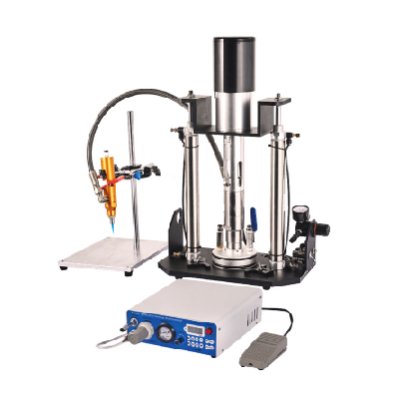
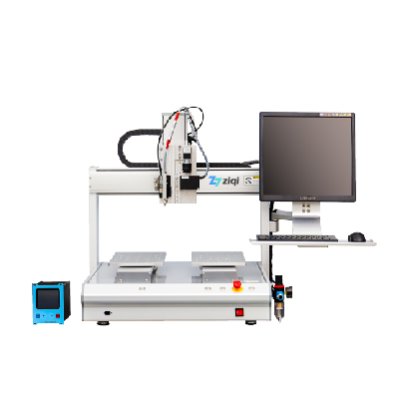
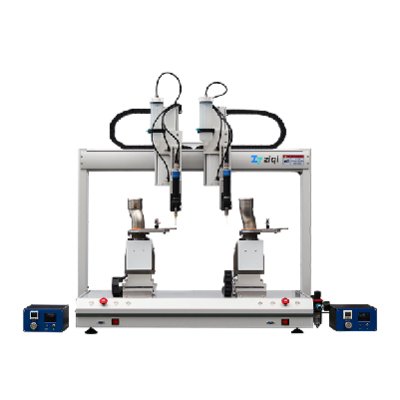
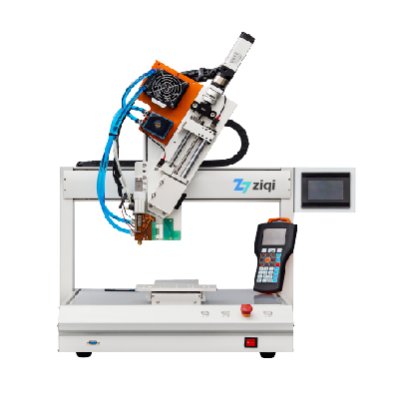
Shenzhen ZiQi Technology Co., Ltd. provides atmospheric-pressure and vacuum plasma surface treatment equipment for industrial applications. For automotive plastic painting, equipment selection should be based on the actual workpiece, treatment area, production requirements, and validation results.
Why Is Paint Adhesion Difficult on Automotive Interior Plastics?
Automotive interior components are made from a range of polymers, including PP, ABS, PC, PVC, and engineered plastic blends. Their surface characteristics vary according to material composition, additives, molding conditions, and surface contamination.
PP is particularly challenging because its non-polar surface chemistry and relatively low surface energy can make it difficult for certain paints to wet and adhere to the untreated substrate.
Several factors can affect paint adhesion:
·Low surface energy: Some plastics do not provide suitable wetting conditions for the selected coating.
·Surface contamination: Oils, mold-release agents, dust, and handling residues may interfere with the coating interface.
·Material formulation: Fillers, pigments, additives, and polymer blends can change the surface response to pretreatment.
·Complex geometry: Curved surfaces, recessed features, and narrow sections can make uniform treatment difficult.
·Process variation: Changes in pretreatment, paint application, curing, and storage conditions can influence coating performance.
For manufacturers, reliable paint adhesion therefore requires a suitable combination of substrate preparation, coating selection, and process control.
How Does Atmospheric-Pressure Plasma Improve Plastic Paintability?
Atmospheric-pressure plasma uses an energized gas to modify the exposed surface of a material without requiring the workpiece to be placed inside a vacuum chamber.
During treatment, reactive species interact with the polymer surface. Depending on the material and operating conditions, plasma treatment can introduce polar chemical groups, modify surface morphology, and remove certain surface contaminants.
These changes may improve surface wettability, helping the selected coating spread more effectively over the treated area.Under suitable conditions, plasma pretreatment can also contribute to stronger coating adhesion.
Three effects are particularly relevant:
Improved surface wettability
Plasma treatment can increase the ability of a suitable coating to wet the treated plastic surface. Contact-angle measurements can help assess this change.
Surface activation
Changes in surface chemistry can promote more favorable interactions at the coating–substrate interface. The extent of activation depends on the polymer and plasma process.
Controlled pretreatment
When integrated with a suitable motion platform, robot, or production line, plasma equipment can treat defined areas along a programmed path. Consistency depends on the equipment configuration and validated operating conditions.
However, improved wettability does not automatically guarantee adequate paint adhesion. Coating formulation, curing conditions, surface contamination, and post-treatment aging can all affect the final result.
What Does Research Say About Plasma Treatment for Automotive Plastic Painting?
Research on polypropylene automotive components has investigated atmospheric-pressure plasma as a method of improving surface properties and paintability.
For example, the 2025 study Investigation of the Effects of Atmospheric Pressure Plasma on Polypropylene Automotive Bumper Surface and Its Paintability With and Without Primer examined surface changes, process parameters, and paintability under different primer conditions.
A separate review, Surface Modification of Polymers by Plasma Treatment for Appropriate Adhesion of Coatings, discusses how plasma-induced changes in wettability and surface chemistry influence coating adhesion, while also highlighting the effects of surface aging and other process-dependent factors.
These studies support the technical rationale for evaluating plasma pretreatment on suitable plastic substrates. They do not establish that every plastic, paint system, or production process will achieve the same results.
For automotive interior applications, manufacturers should validate the selected process using representative production materials and the actual coating system.
Atmospheric-Pressure Plasma for Automotive Interior Plastic Pretreatment
Atmospheric-pressure plasma is worth evaluating when plastic components require localized or path-based surface activation before painting and the process can be integrated with the existing production workflow.
Depending on the application, the equipment may be configured for manual loading, automated positioning, robotic movement, or in-line production.
The following factors should be evaluated before selecting a system:
·Workpiece geometry: Determine whether the plasma head can reach every target surface.
·Treatment path: Define the required treatment areas, including curved edges and recessed features.
·Process parameters: Establish suitable treatment distance, movement speed, and exposure conditions through testing.
·Production throughput: Check whether the treatment cycle meets the required production rate.
·Line integration: Consider workpiece positioning, part handling, and transfer to the painting process.
·Quality requirements: Define the tests needed to verify the finished coating.
Deep recesses, shadowed regions, and surfaces with restricted access require particular attention. A suitable system should be selected only after confirming that the target areas can be treated consistently.
How to Select a Plasma Treatment Machine for Automotive Plastic Painting
Choosing a plasma treatment machine involves more than identifying the plastic by name. The complete pretreatment and painting process must be considered.
Identify the Plastic Substrate
Confirm whether the component is made from PP, ABS, PC, PVC, or a specific engineered plastic blend. Material grades, fillers, additives, and molding conditions may influence the response to plasma treatment.
Define the Required Treatment Area
Identify which surfaces will be painted and whether they include flat sections, curved edges, narrow grooves, or multiple sides of a three-dimensional component.
The target area determines the required nozzle access, motion path, and positioning accuracy.
Match the Equipment to Production Requirements
Consider the component dimensions, required cycle time, conveyor speed, loading method, and degree of automation.
For complex components or high-volume production, robotic or programmed motion may be worth evaluating. The appropriate configuration depends on the actual process requirements.
Evaluate Atmospheric-Pressure and Vacuum Options
Atmospheric-pressure plasma may be suitable for applications requiring accessible, path-based treatment and integration with a production line.
Vacuum plasma should be evaluated separately when the process requirements, component arrangement, or selected treatment method call for a vacuum chamber. Workpiece dimensions, loading arrangements, batch size, and production throughput must be considered.
Neither approach is universally preferable. Selection should be based on the application and validated process performance.
Validate the Complete Painting Process
Test the selected plasma parameters using the actual plastic substrate and paint system.
Contact-angle measurements can help assess changes in wettability. Appropriate coating adhesion tests should be used to evaluate the finished painted component. Additional environmental or durability testing may be necessary to meet automotive specifications.
The interval between plasma treatment and painting should also be established during validation because surface properties can change during storage.
Recommended Workflow for Plasma Pretreatment Before Painting
A typical process may include the following stages:
·Inspect the component: Confirm the material, surface condition, and areas requiring treatment.
·Establish cleaning requirements: Remove contaminants using a suitable method where necessary.
·Configure the equipment: Select the plasma source, treatment head, motion path, and initial process parameters.
·Apply plasma treatment: Treat the defined areas under controlled conditions.
·Transfer to painting: Follow the validated treatment-to-painting interval and handling requirements.
·Inspect the finished coating: Evaluate appearance and adhesion using the specified quality-control methods.
·Verify process consistency: Confirm that the treatment and painting process continues to meet production requirements.
Plasma treatment is a surface activation method, not a universal replacement for cleaning, primer application, or other coating-process steps. Any proposed process change should be validated against the relevant product specifications.
Frequently Asked Questions
Can plasma treatment improve paint adhesion on PP automotive interior parts?
It can. PP has a relatively low-energy, non-polar surface, and research has investigated plasma treatment as a way to improve its wettability and paintability. Actual adhesion performance depends on the PP formulation, treatment conditions, paint system, and subsequent processing.
Can atmospheric-pressure plasma replace flame treatment?
Atmospheric-pressure plasma can be an alternative to flame treatment for suitable applications. Both methods require process optimization, and neither should be assumed to provide equivalent results for every component. The choice depends on workpiece geometry, production conditions, safety requirements, and coating performance.
Can plasma treatment eliminate the need for primer?
Not in every application. Primerless painting may be feasible in certain validated coating systems, but the result cannot be generalized to all substrates and paints. Manufacturers should verify adhesion and durability against the applicable specifications before changing primer requirements.
Does improved wettability guarantee better paint adhesion?
No. Wettability is an important surface characteristic, but it is not a direct substitute for coating adhesion testing. Surface chemistry, weakly bonded surface layers, contamination, curing, and aging may influence the final result.
How can manufacturers verify plasma treatment effectiveness?
Contact-angle measurements can help assess changes in surface wettability. Coating adhesion tests evaluate the finished paint–substrate system, while additional durability tests may be required for the application. Testing should use representative production materials and process conditions.
Is atmospheric-pressure plasma suitable for complex automotive interior components?
It may be suitable when the target surfaces are accessible to the selected plasma head and the treatment path can be controlled. Deep recesses, narrow grooves, and shadowed regions should be evaluated during application testing.
Why Work With ZiQi Technology?
Shenzhen ZiQi Technology Co., Ltd. develops and manufactures industrial automation equipment, including atmospheric-pressure and vacuum plasma surface treatment systems, precision dispensing machines, and customized automation solutions.
For automotive plastic pretreatment projects, equipment selection should begin with the actual application requirements. Relevant information includes the plastic material, component drawings or photographs, target treatment areas, existing painting process, production cycle time, and quality specifications.
These details help establish whether an atmospheric-pressure or vacuum plasma system is worth evaluating and what equipment configuration may be appropriate.
Manufacturers can contact ZiQi Technology to discuss their application requirements and evaluate a suitable plasma surface treatment configuration.
Conclusion
Plasma surface treatment is a practical pretreatment option for improving the paintability of selected automotive interior plastics, particularly PP, which can be difficult to coat because of its low-energy, non-polar surface.
When the substrate, plasma parameters, coating system, and production conditions are appropriately matched, plasma treatment can improve wettability and support reliable paint adhesion. The final result must still be verified through application-specific testing.
For manufacturers, the key is to select equipment based on the workpiece geometry and production requirements, then validate the complete pretreatment and painting process before production implementation.